Camera & movement
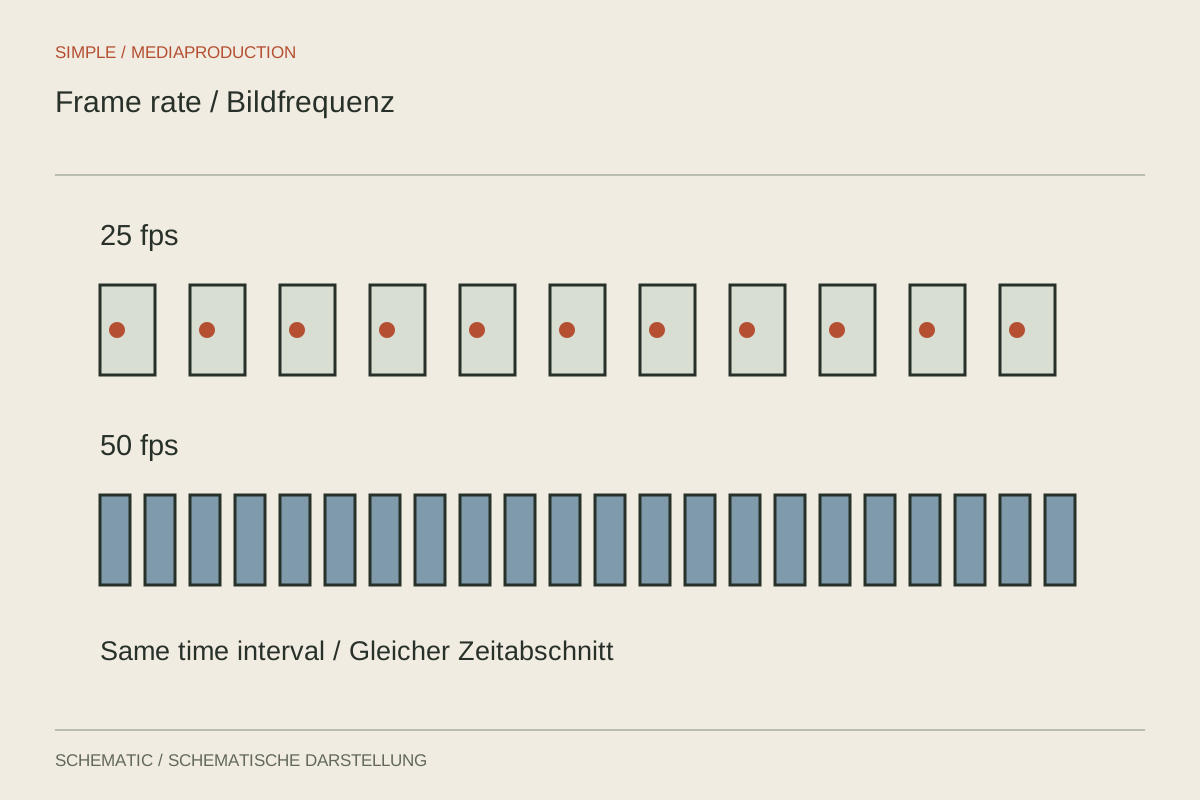
Choosing 25, 30 or 50 frames per second
Frame rate connects capture, motion and delivery. Choose it before filming and distinguish slow-motion capture deliberately.
28 articles
Movement, framing and camera settings for shots that work together.
Camera & movement
Frame rate connects capture, motion and delivery. Choose it before filming and distinguish slow-motion capture deliberately.
Camera & movement
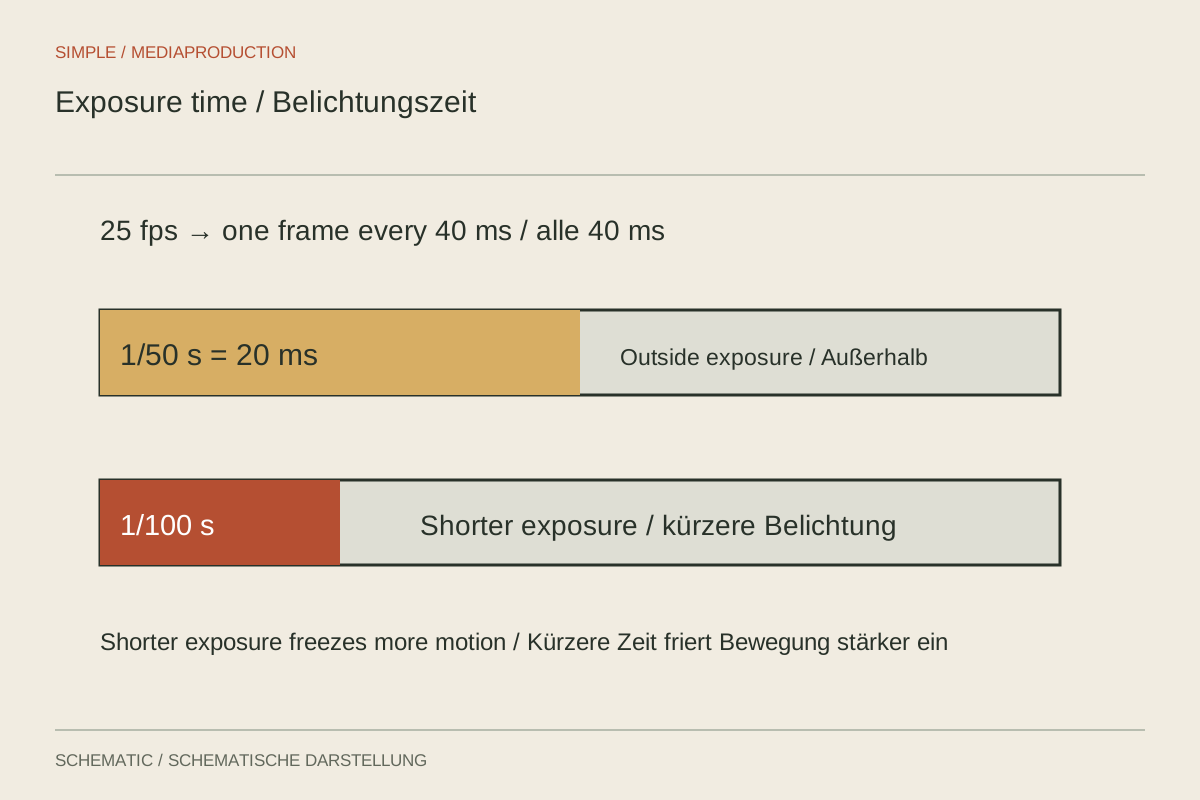
Shutter duration determines how far a subject can move within a single frame.
Camera & movement
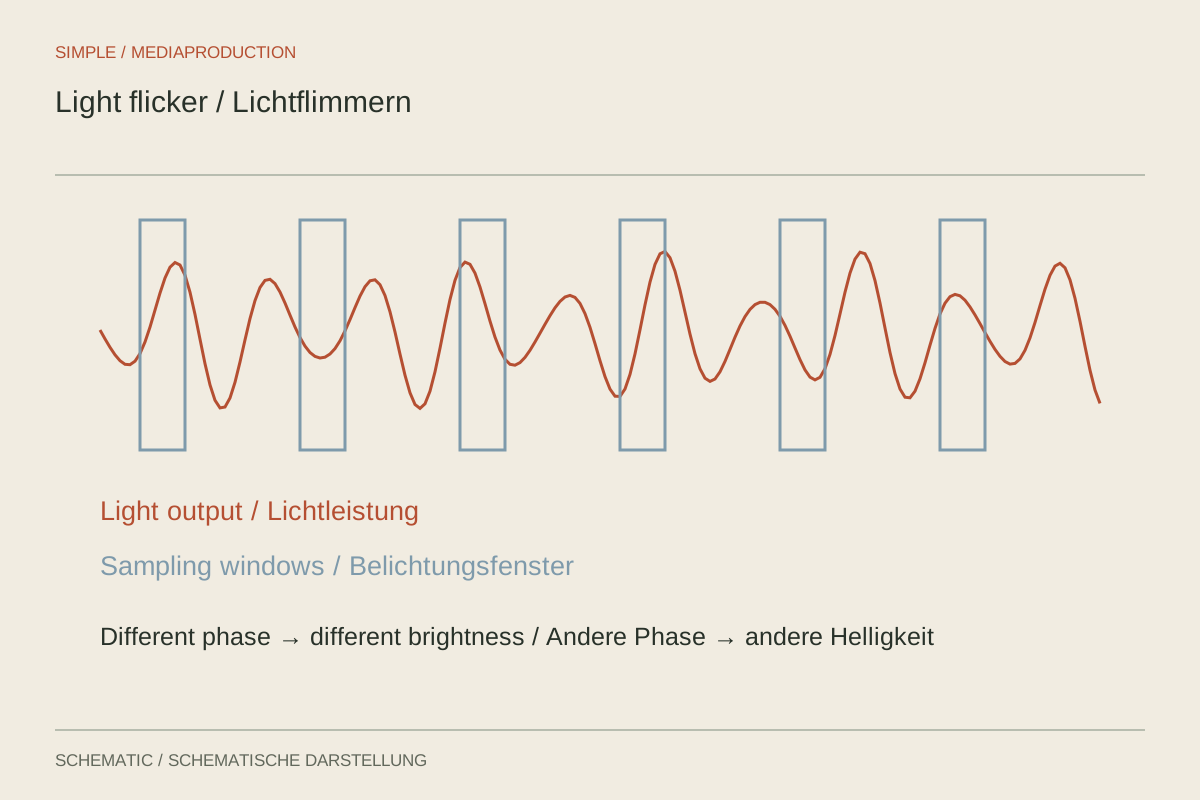
Isolate flicker at the light source and verify it in a recorded test; the preview alone is insufficient.
Camera & movement
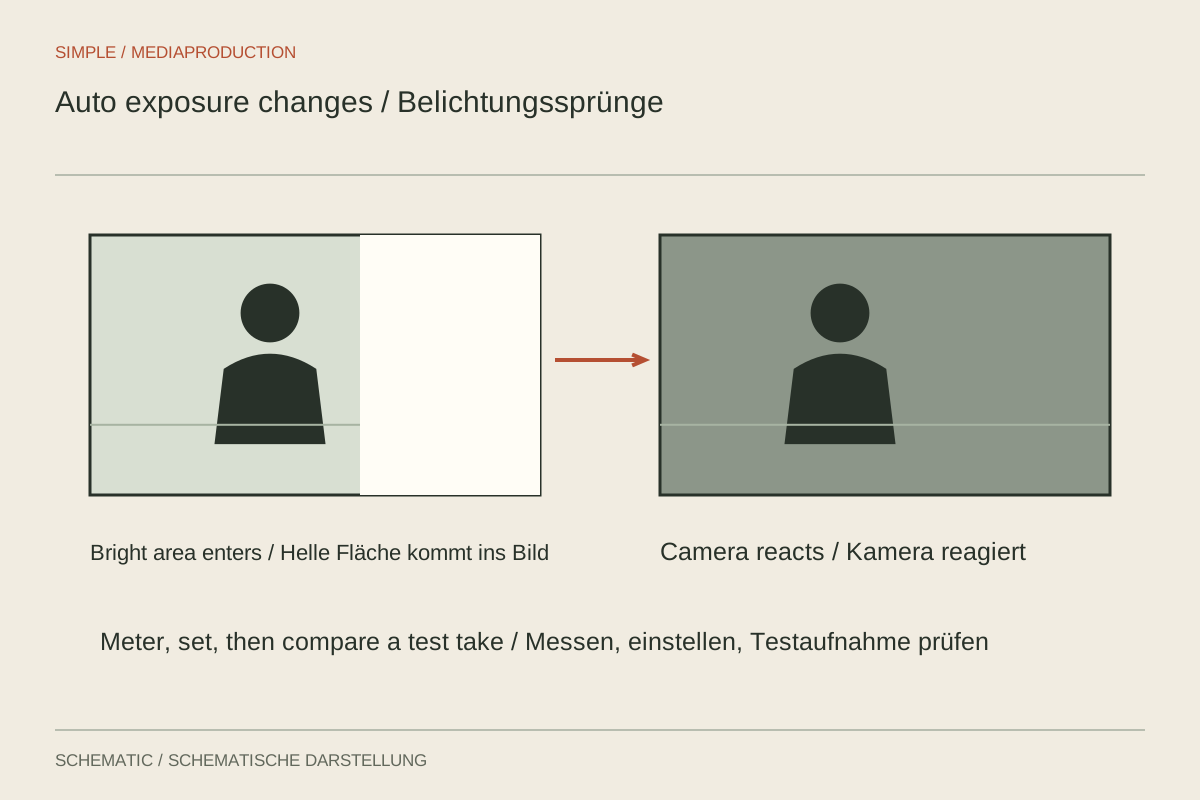
Brightness jumps often come from active automation. Identify which exposure parameter is actually changing.
Camera & movement
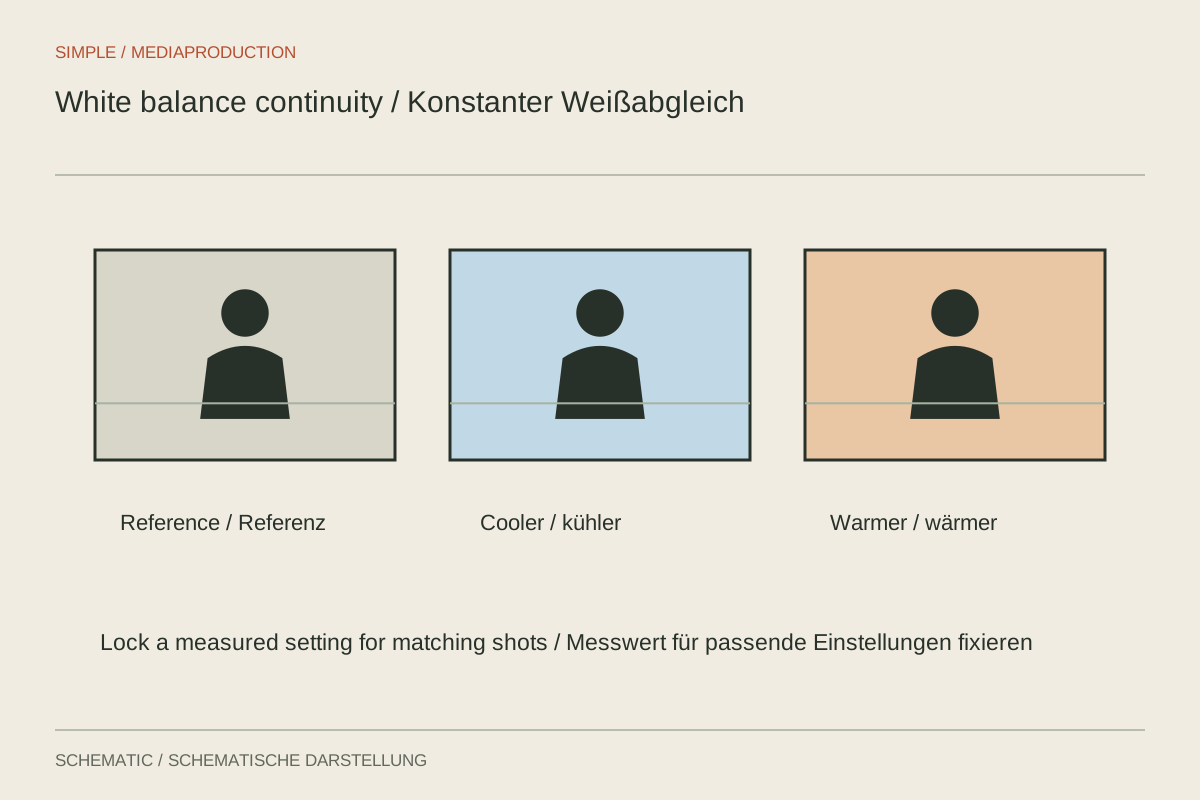
A fixed white balance prevents colour drifting within one consistent lighting setup.
Camera & movement
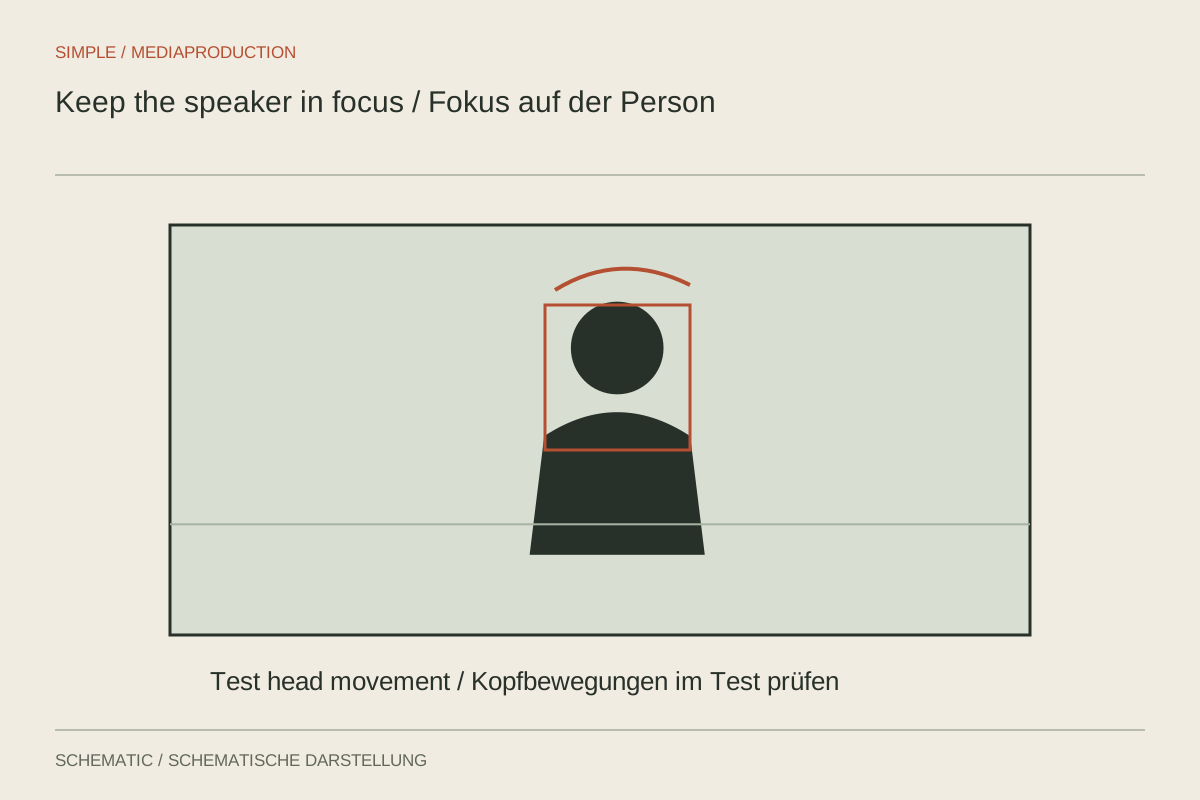
Focus needs to cover the speaker’s movement. Face detection alone is not a complete check.
Camera & movement
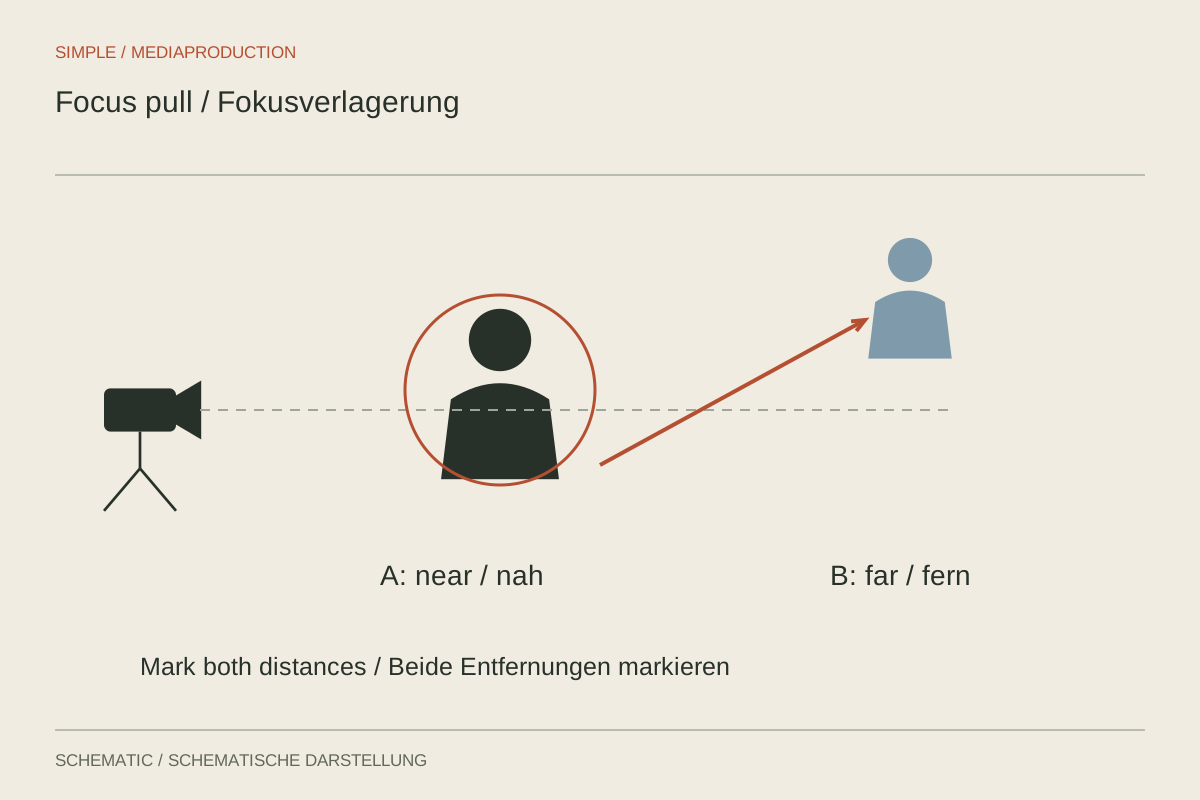
A focus pull directs attention between two distances. Its starting point, destination and reason should be clear.
Camera & movement
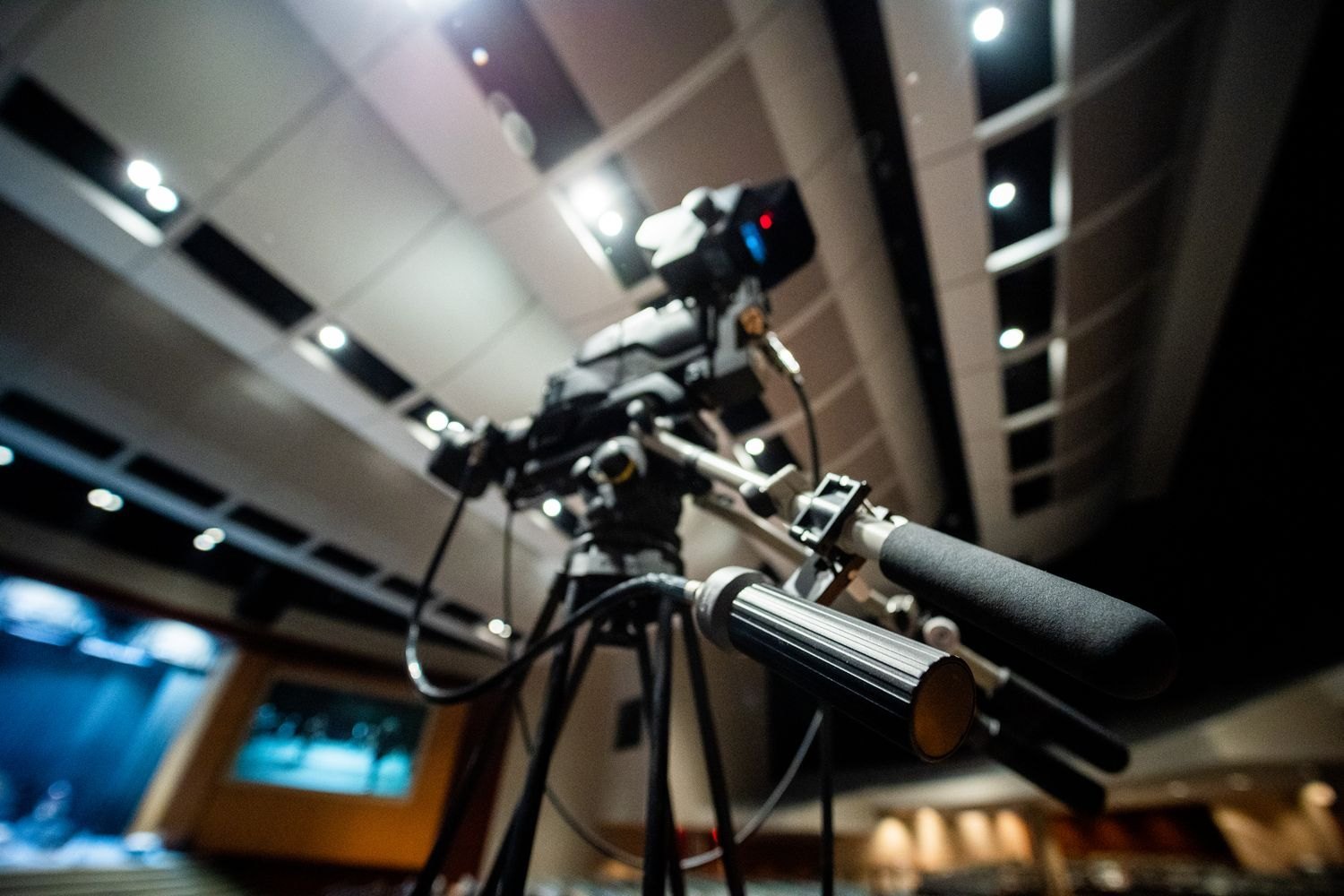
A smooth pan begins with a defined ending frame and suitable resistance in the tripod head.
Camera & movement
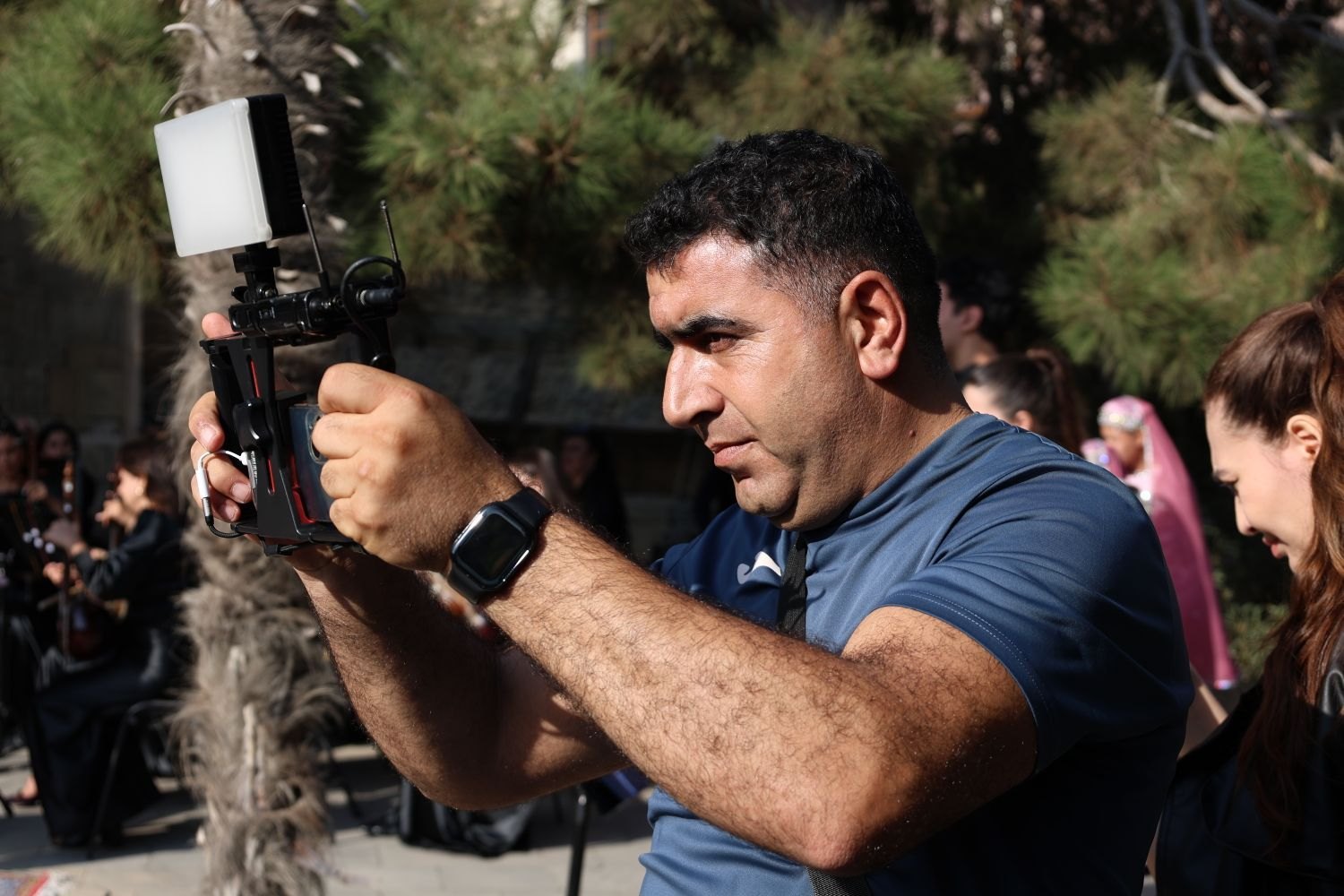
Handheld filming needs a clear movement and a stable hold, rather than constant small corrections.
Camera & movement
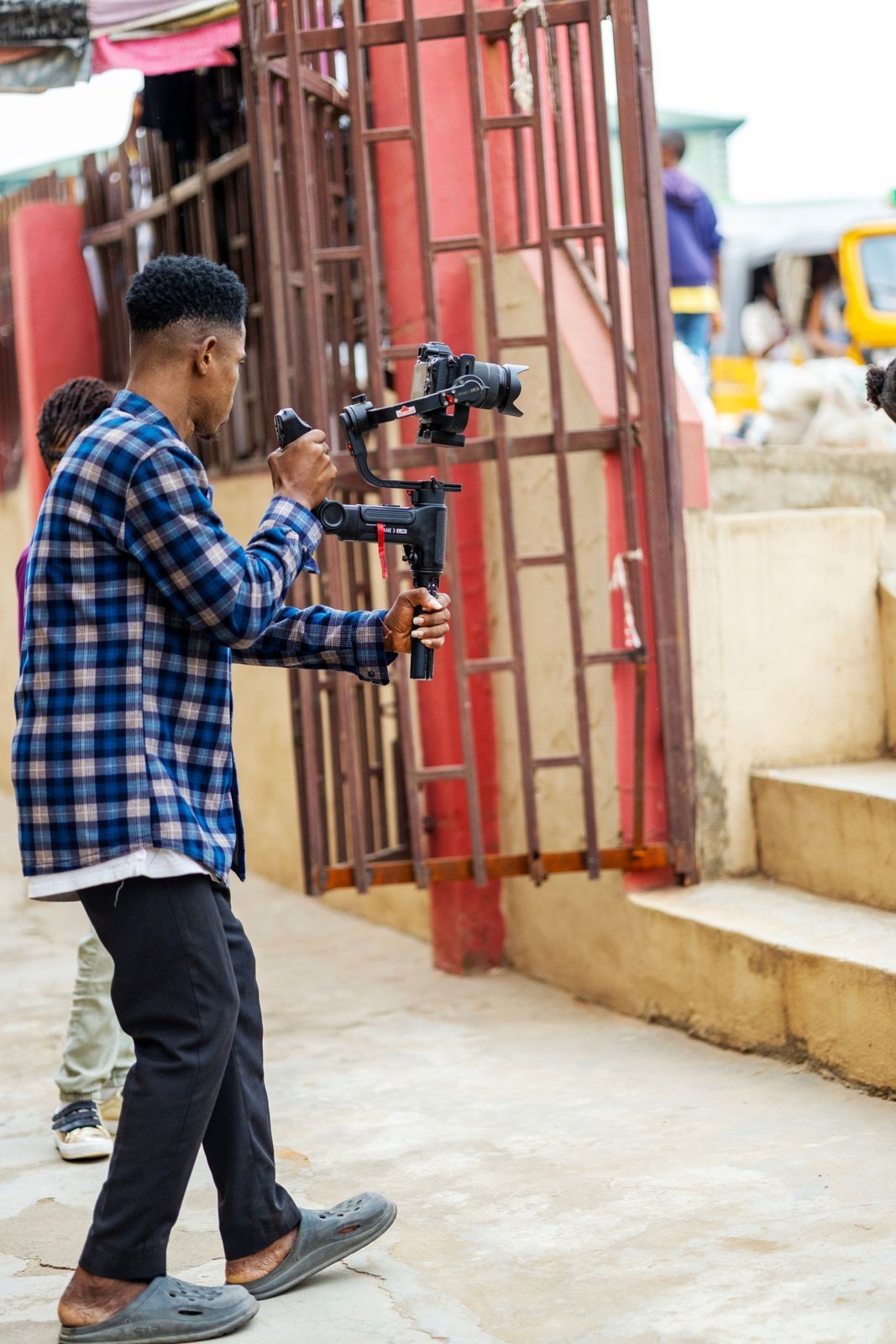
A gimbal stabilises rotation but does not replace a planned route or controlled walking.
Camera & movement
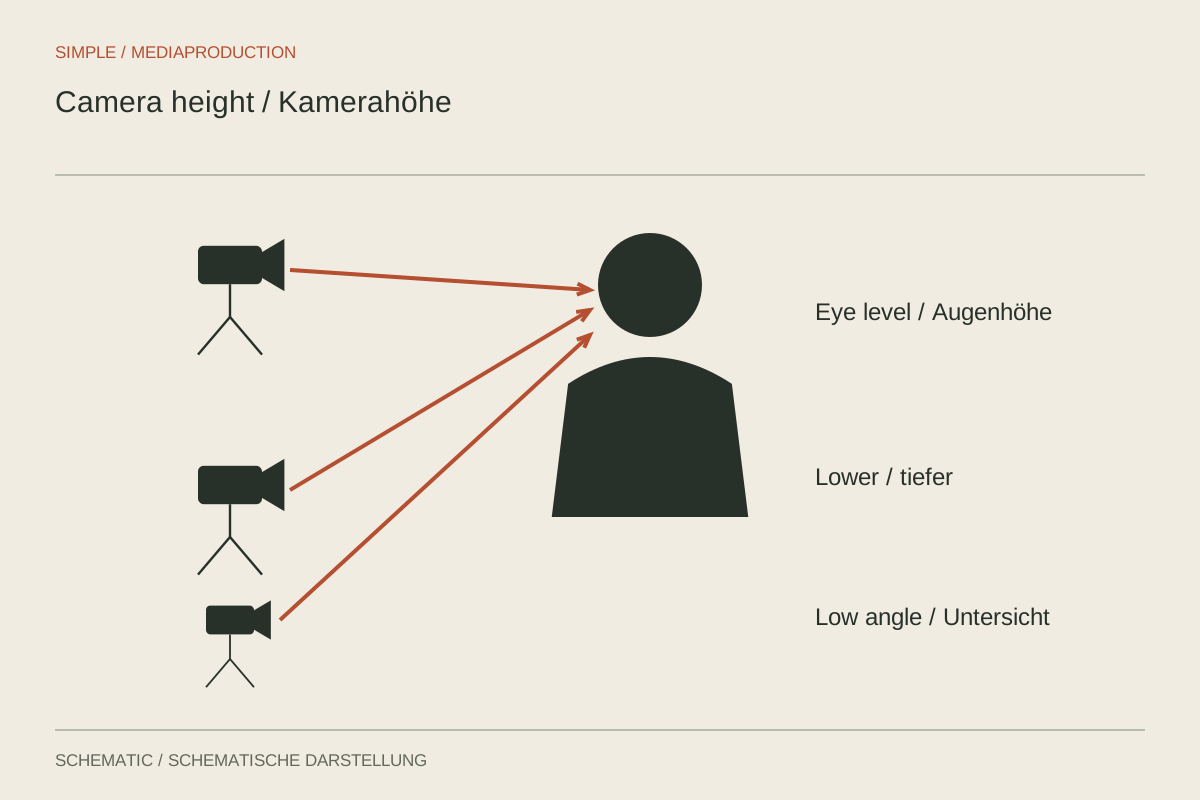
Camera height changes visibility and spatial relationships even when the lens stays the same.
Camera & movement
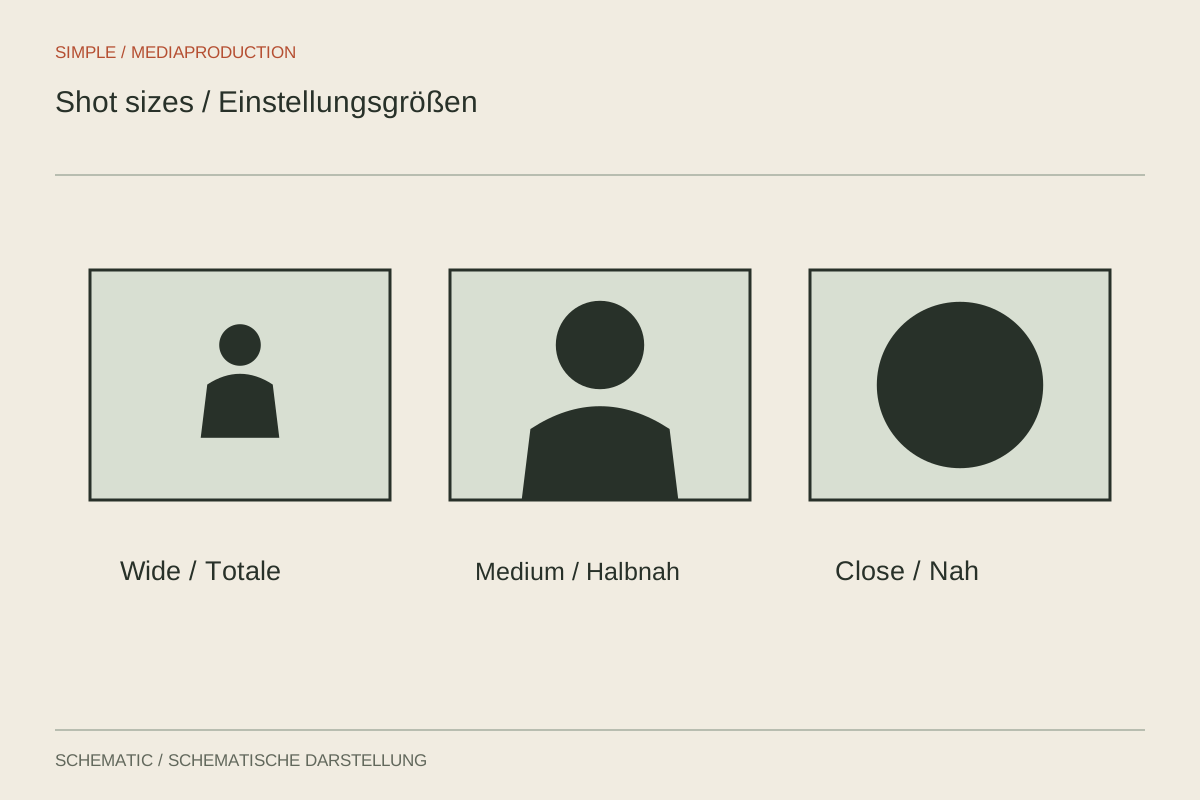
Shot sizes distribute information: wider views establish space, closer views reveal the decisive action.
Camera & movement
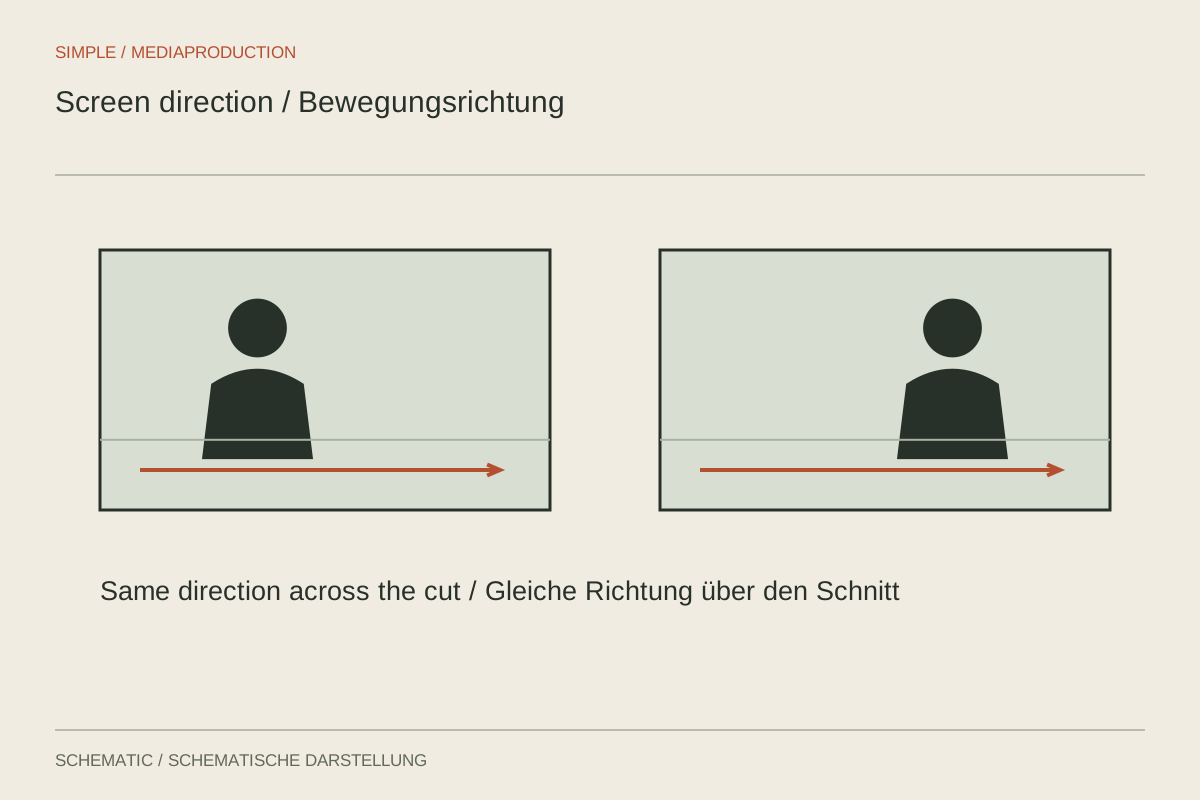
Eyelines and movement connect separate images. Their direction helps viewers understand the space.
Camera & movement
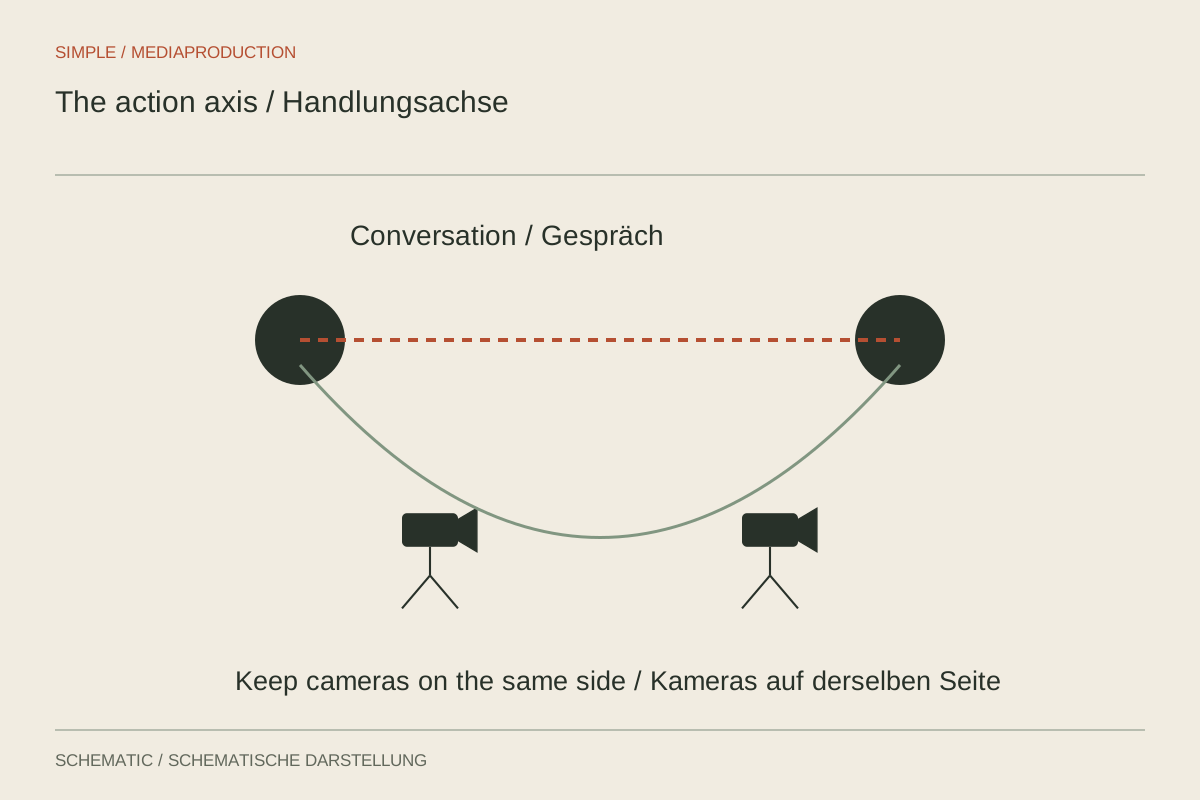
The line between interview participants helps keep two camera angles spatially consistent.
Camera & movement
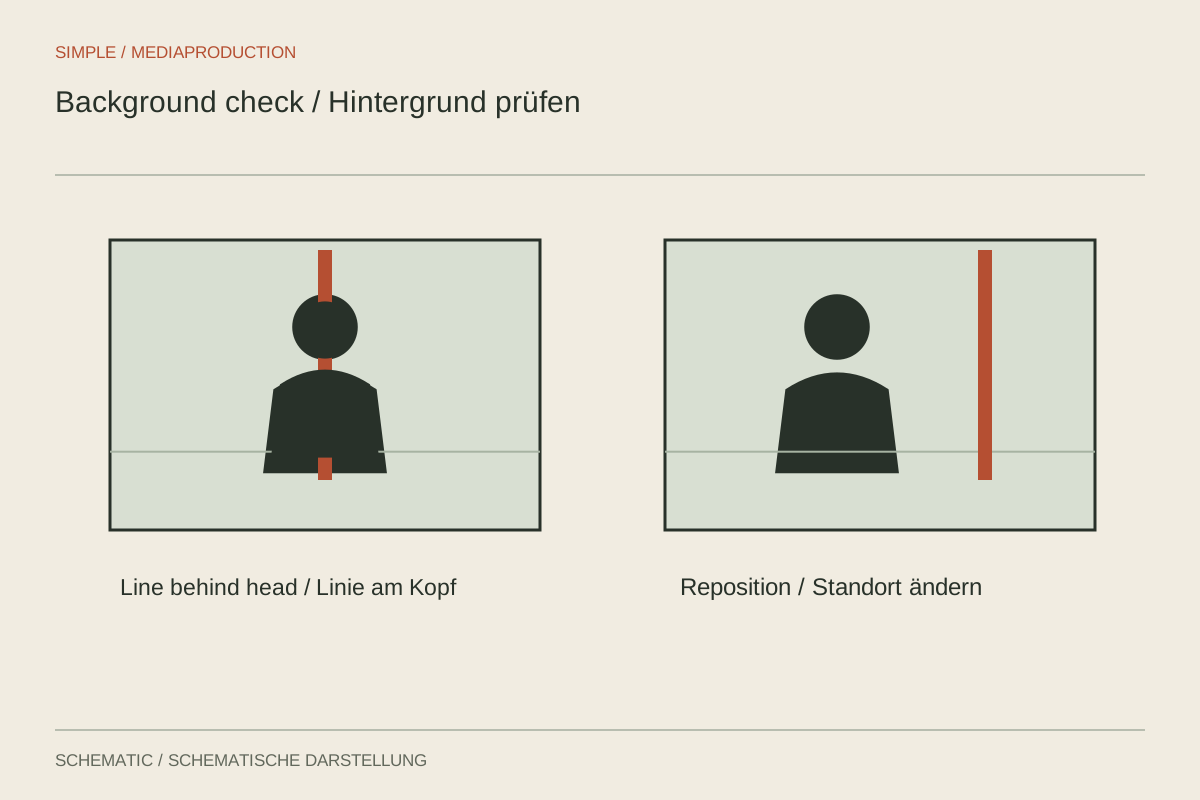
Check a background for distracting relationships, not only for clutter.
Camera & movement
A lock preserves selected settings, but they must match the distance and lighting of the later action.
Camera & movement
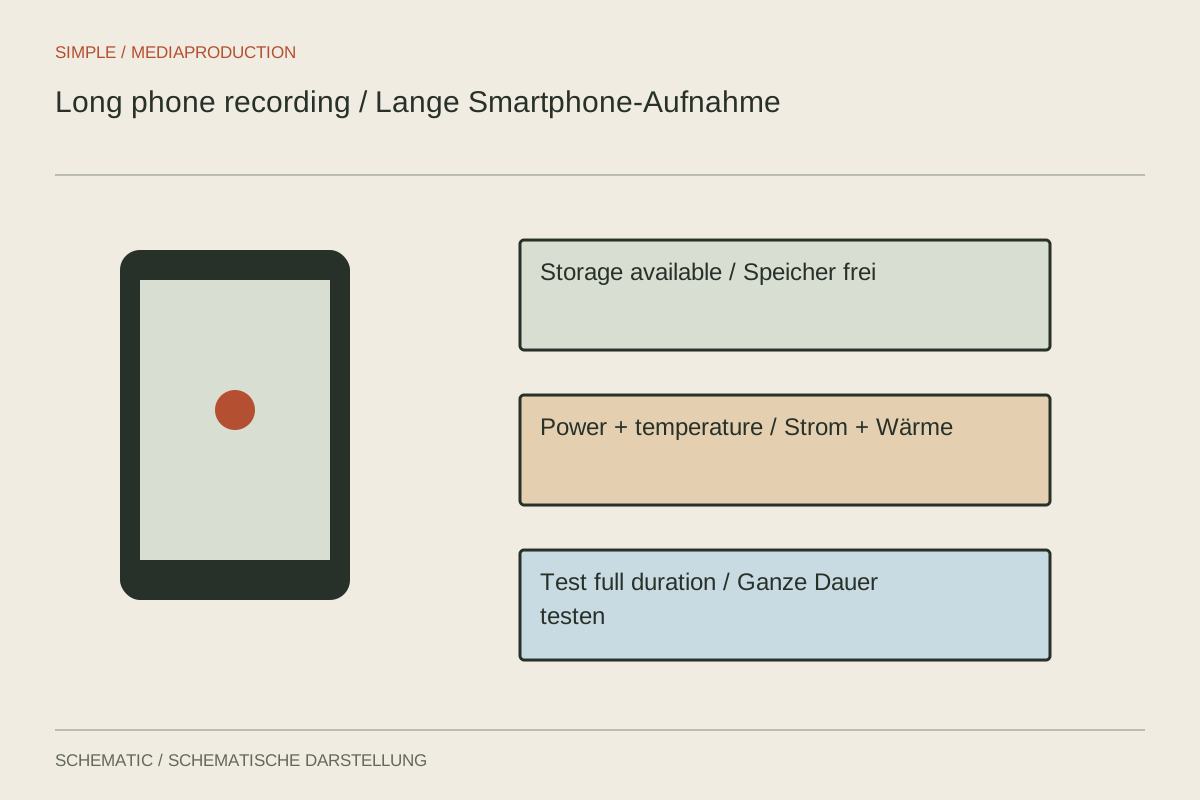
Storage, power and heat need testing across the intended duration, not only in a short sample clip.
Camera & movement
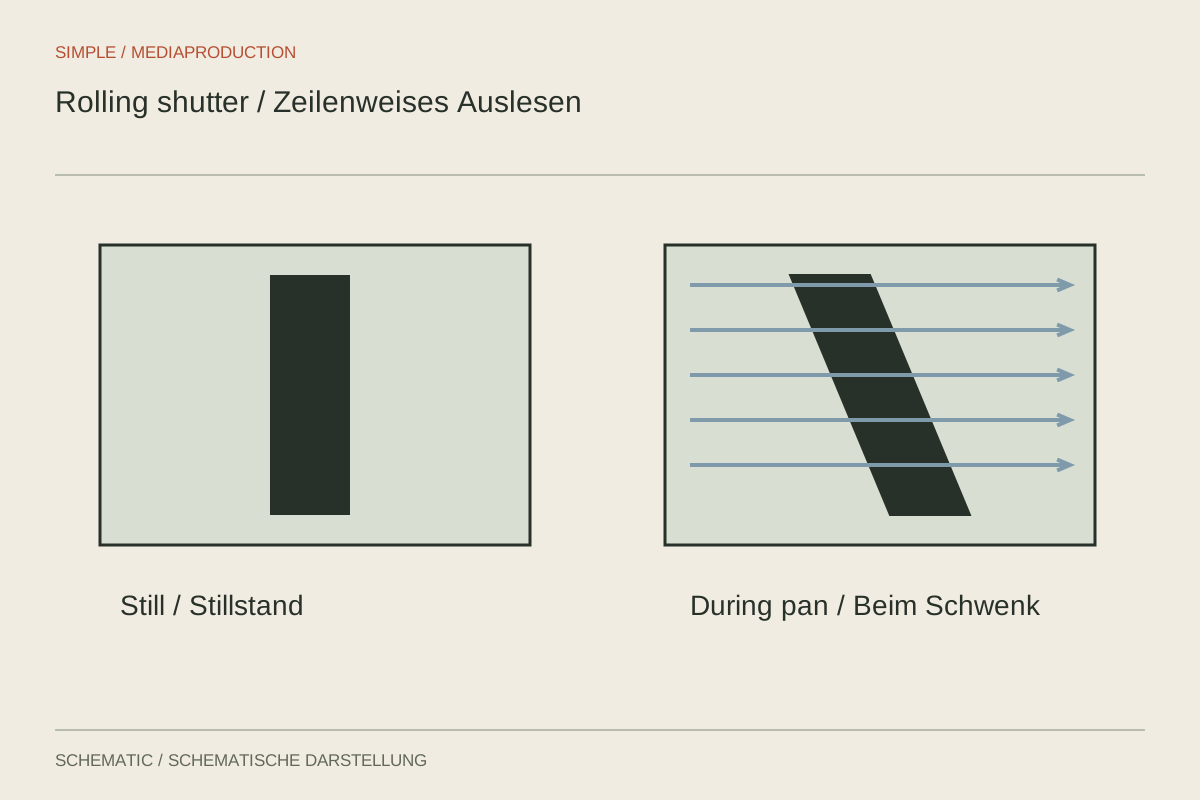
Skewed lines come from time-offset sensor readout. A faster shutter alone does not remove that geometric distortion.
Camera & movement
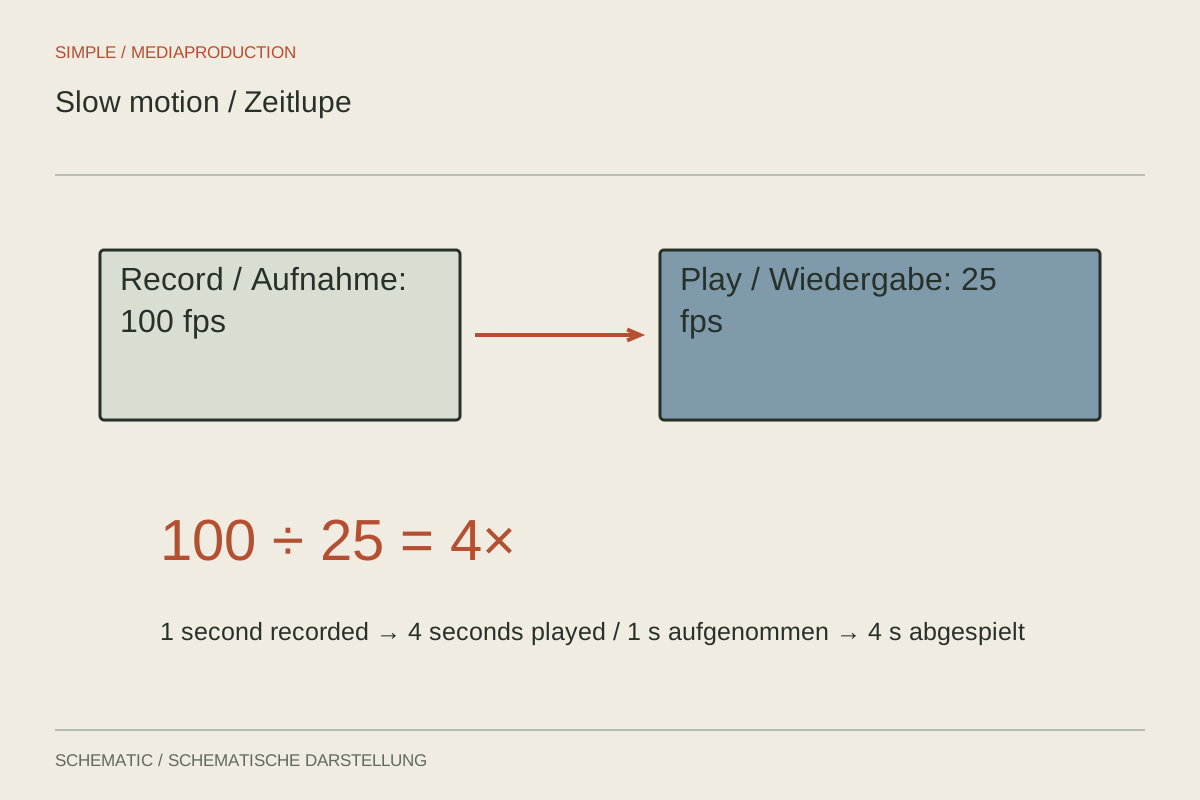
Slow motion needs enough captured movement phases and a clear decision about playback and sound.
Camera & movement
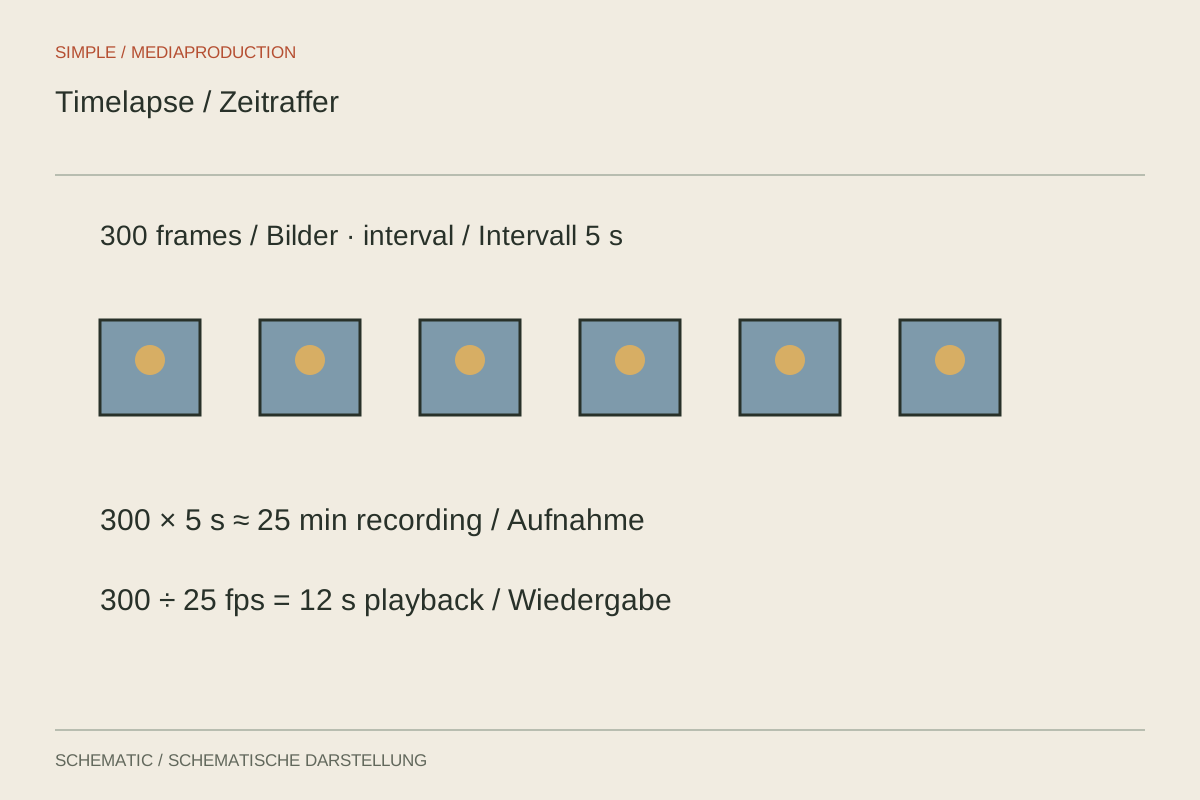
Interval, recording duration and output rate together determine the finished timelapse length.
Camera & movement
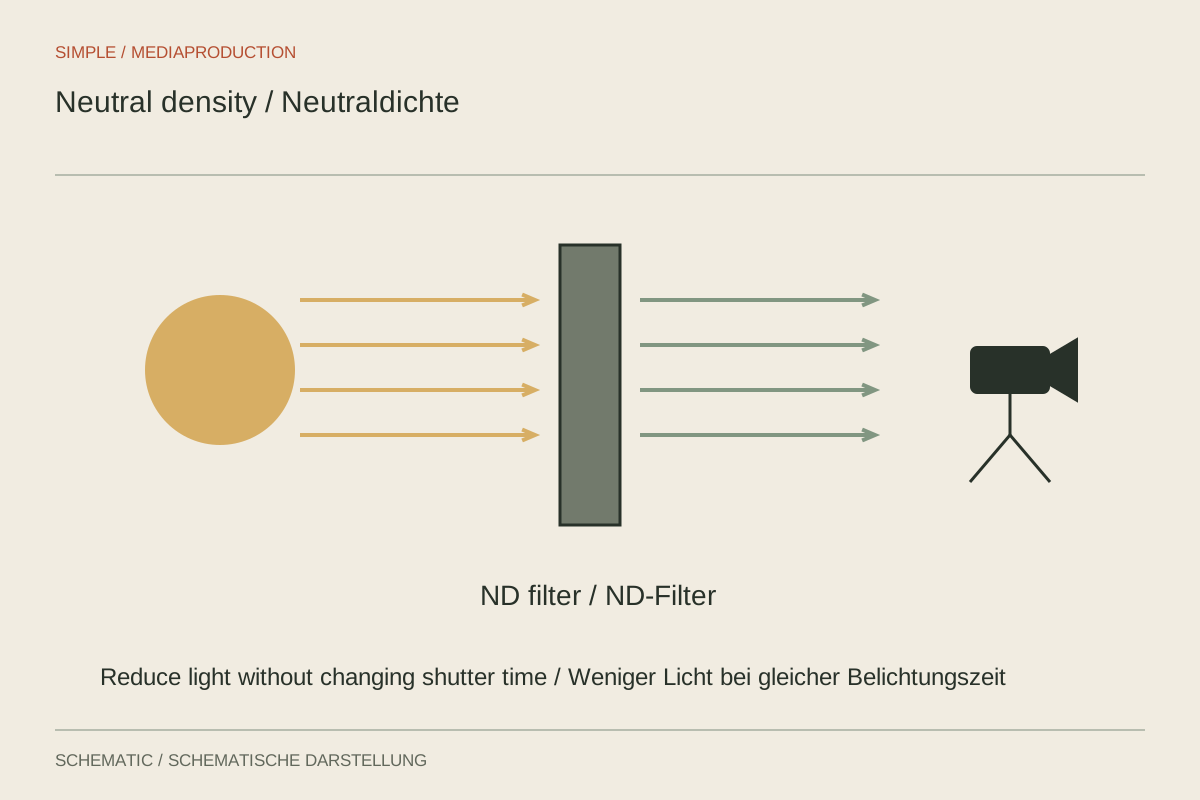
An ND filter reduces light so shutter duration and aperture can be chosen for their visual effect.
Camera & movement
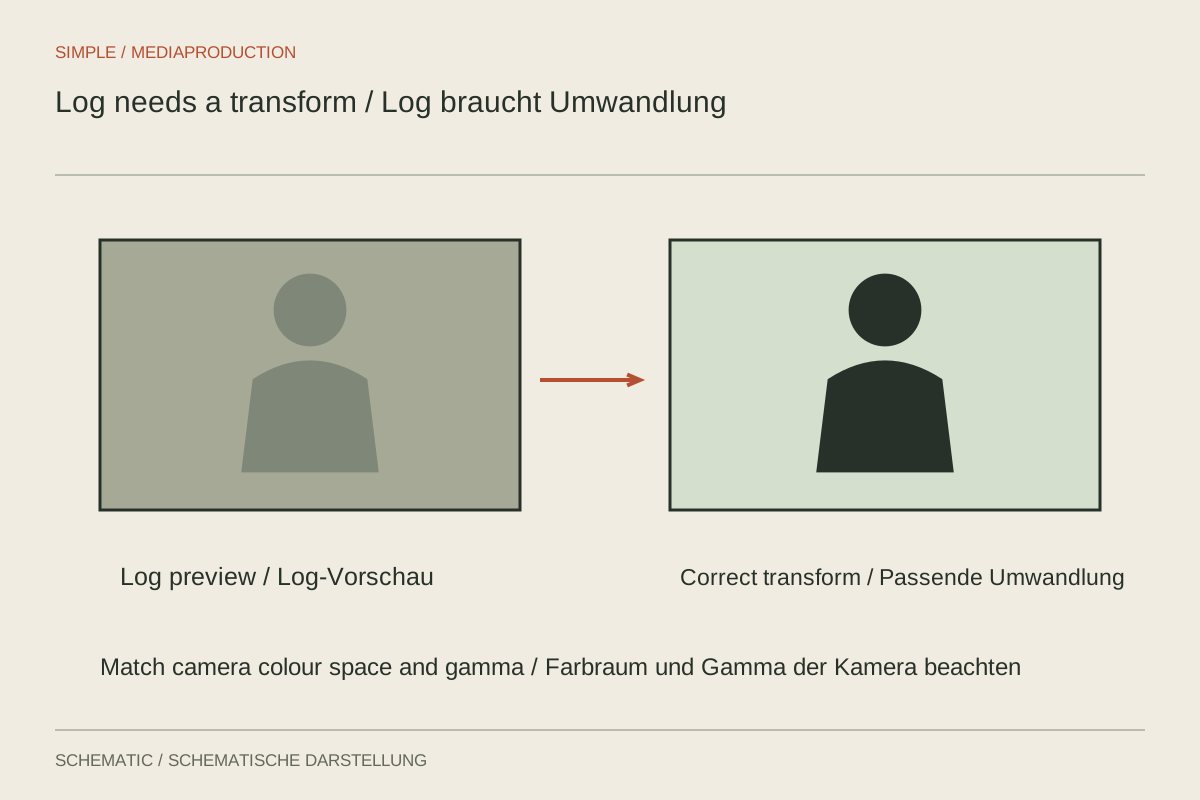
Log is a capture and processing workflow. It helps when exposure, colour management and post-production are planned together.
Camera & movement
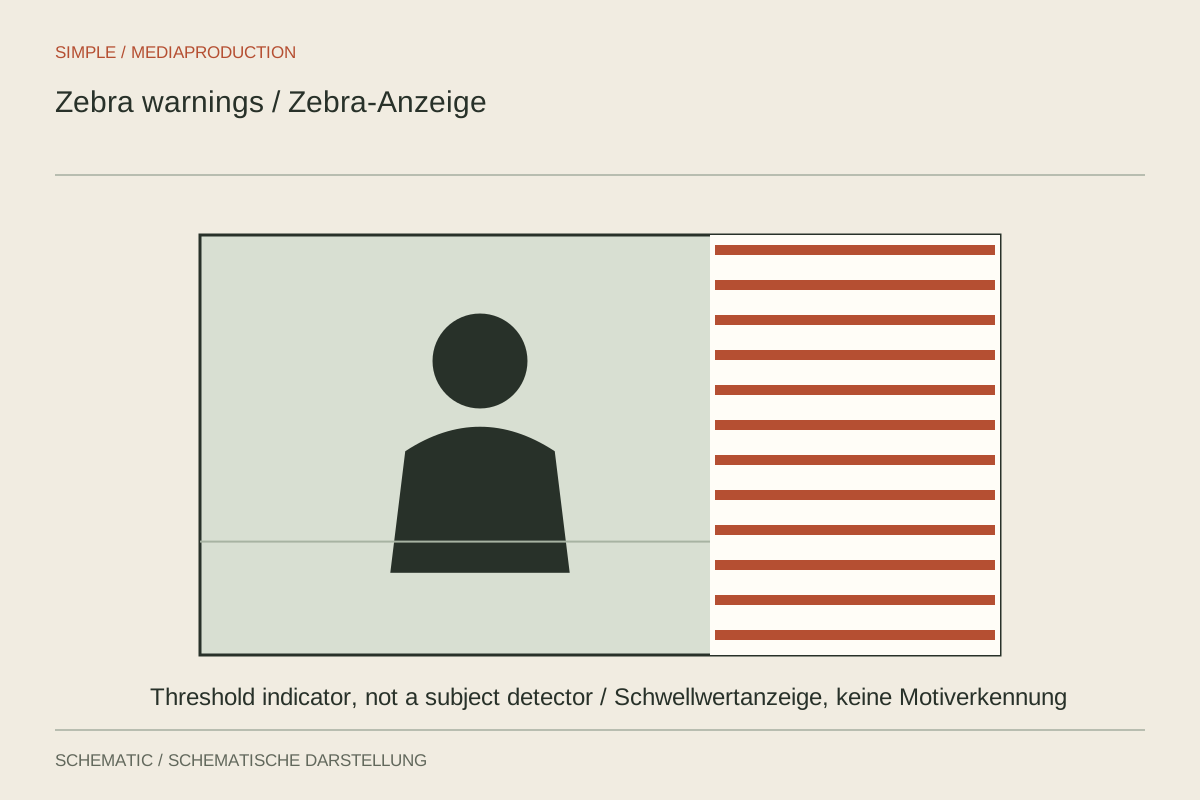
Zebra stripes indicate a configured signal range. Their meaning depends on the threshold and picture profile.
Camera & movement
A long take needs a duration test using the actual format, power, card and environment.
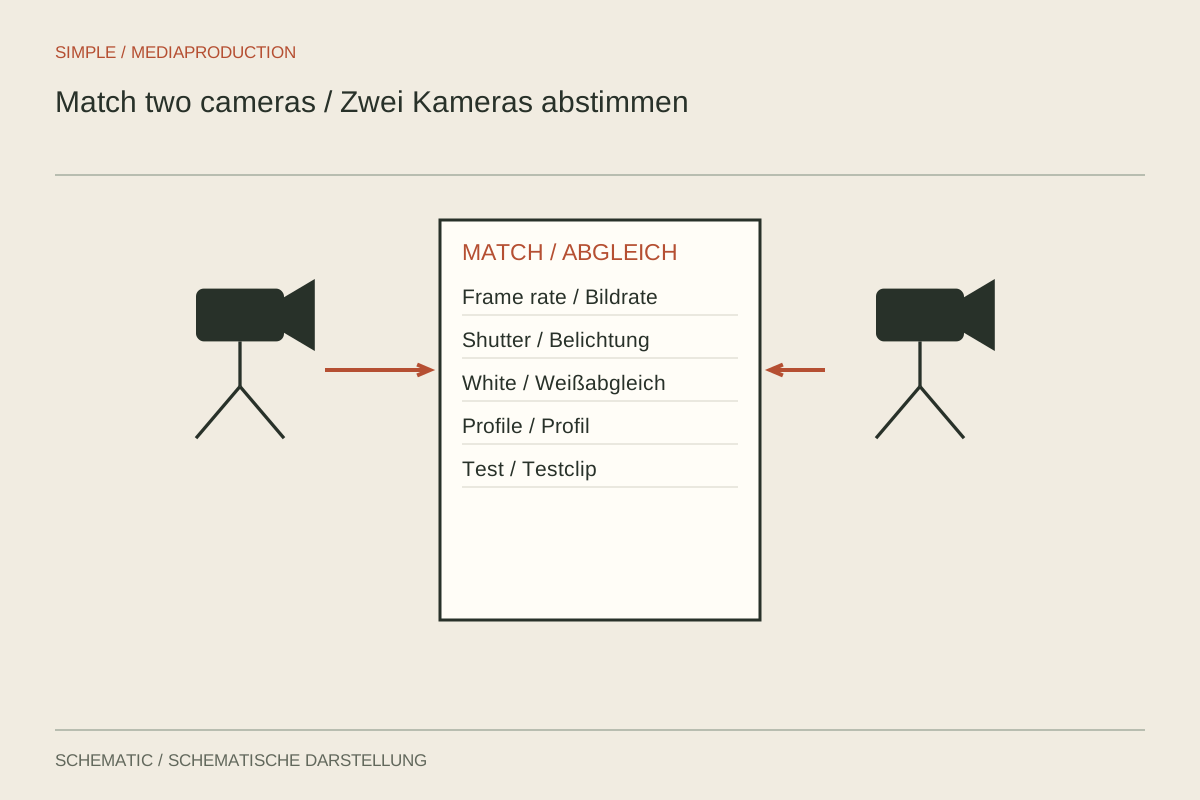
Camera & movement
Match two cameras before recording across timing, colour, exposure and the purpose of each view.
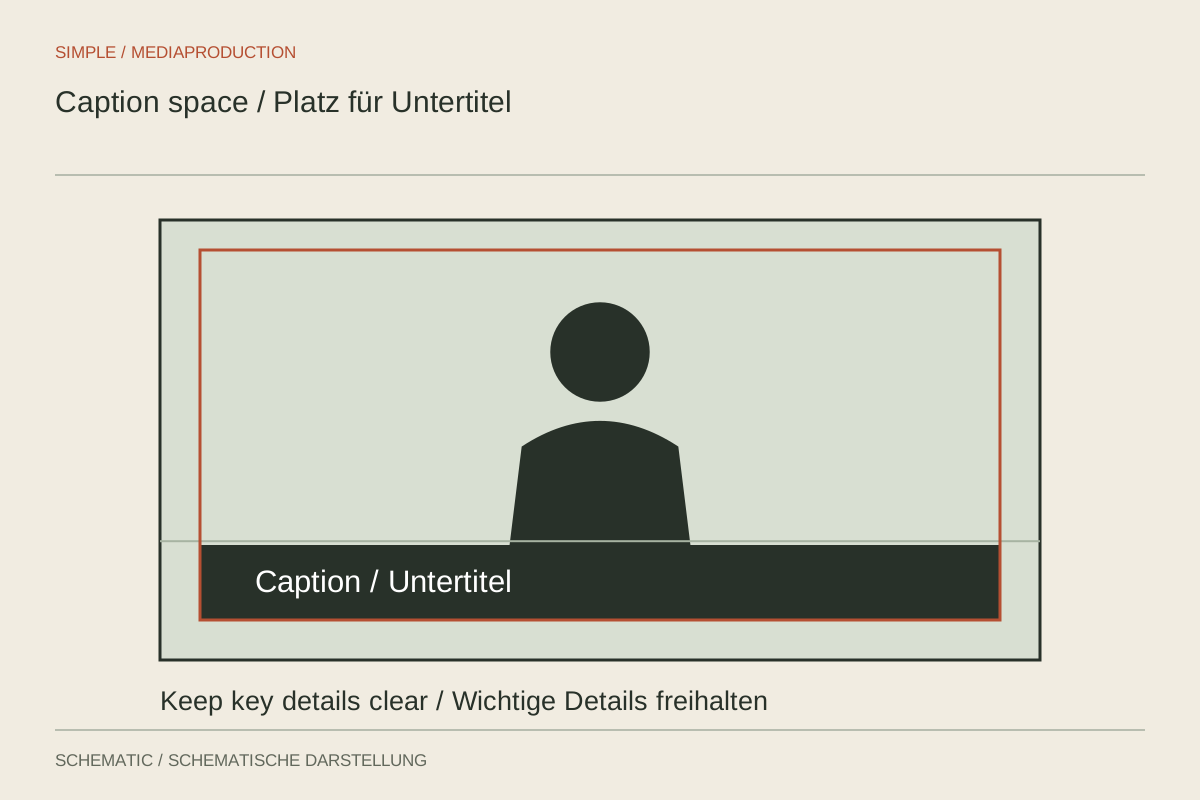
Camera & movement
Plan space for actual versions and captions without shrinking the essential action unnecessarily.
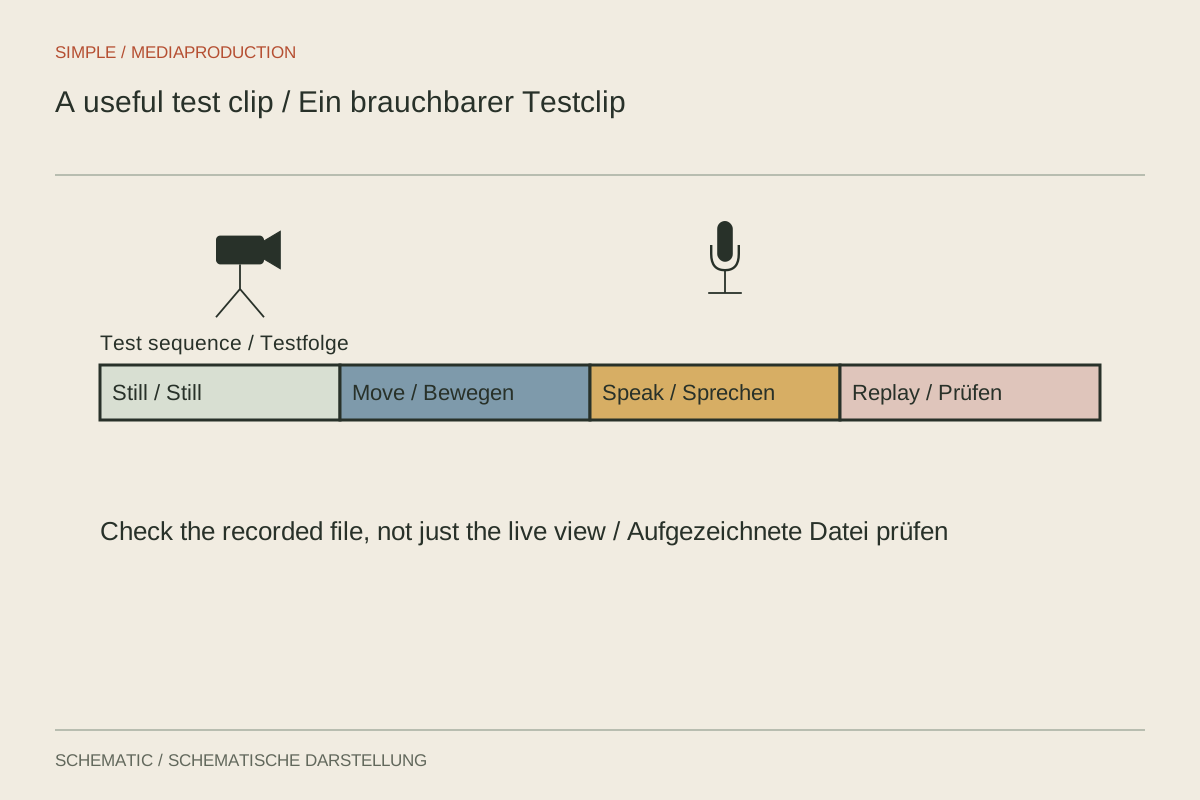
Camera & movement
A test clip should contain the difficult conditions of the planned shoot, not merely confirm the camera records.
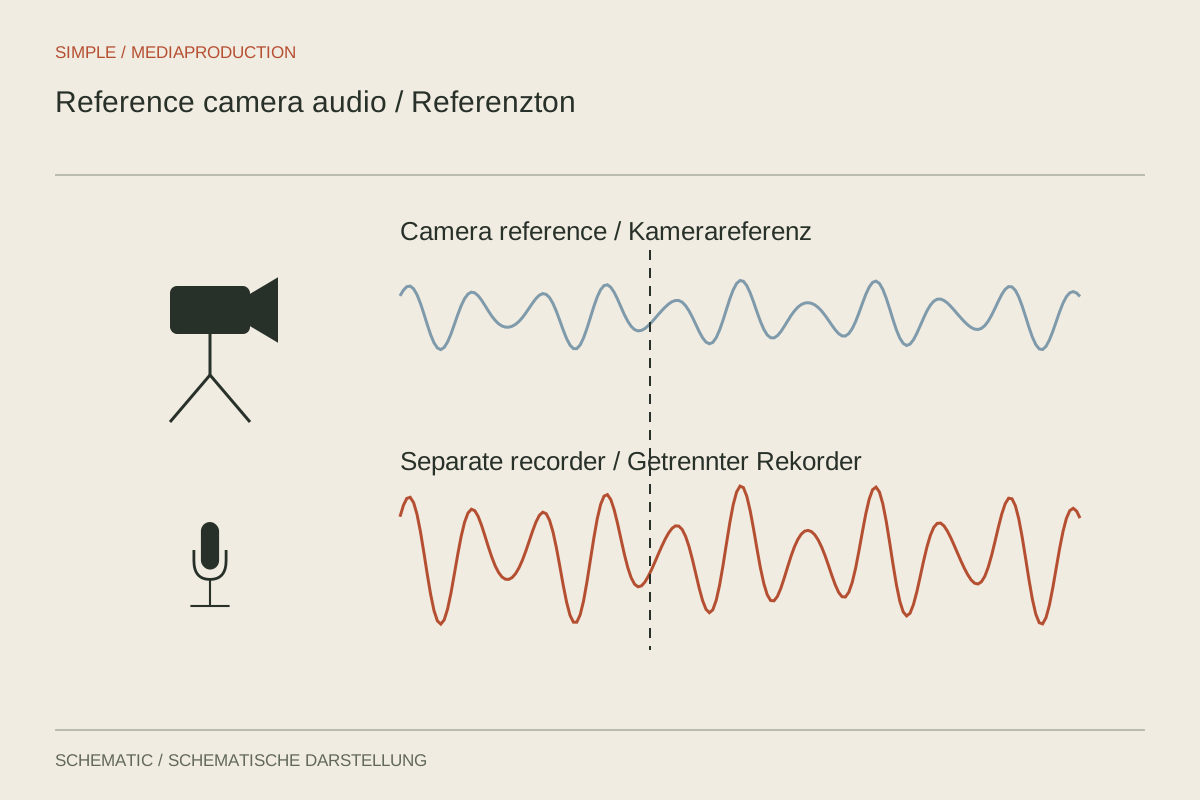
Camera & movement
An intelligible reference track helps align separately recorded sound. It does not replace checking synchronisation.