Someone looks right, then the next shot shows an object on the left of the room. That can be correct, but the relationship needs to make sense on screen. Eyelines and movement create expectations that a following shot confirms or deliberately changes. Unexplained reversals force viewers to reconstruct the space. In an explanatory film, that extra mental work is usually unnecessary.
Connect a look with its target
First establish where the person is looking, then show the object from a compatible perspective. The geometry need not be reconstructed mathematically, but height and direction should remain plausible. A downward glance towards a table should not connect without explanation to a detail high above the person's head.
When reactions are recorded separately, use a reference point for the actual conversation partner or object. “Look roughly over there” easily produces inconsistent eyelines. Fix the reference and check it from the camera position. Looking just beside the lens feels different from addressing it directly; maintain that distinction deliberately within the same conversation unless the change has a clear purpose.
Continue movement across the cut
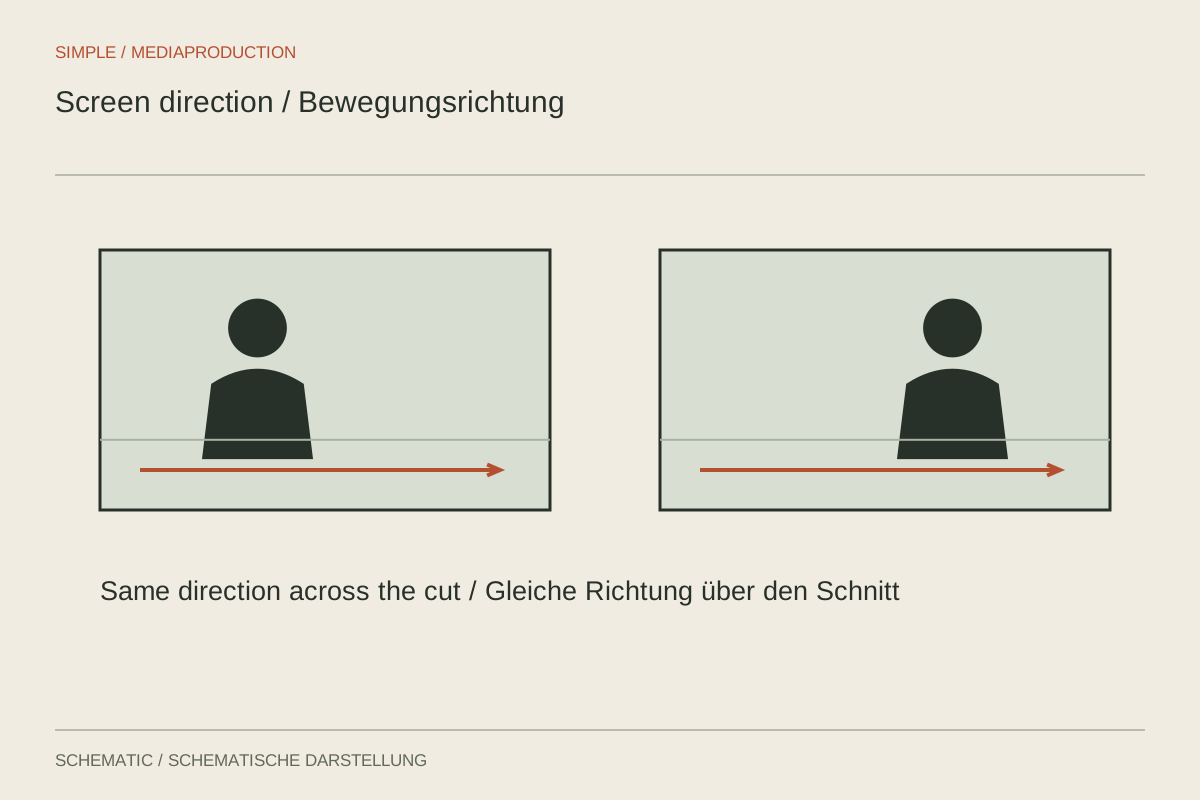
When a tool travels left to right in the first shot, viewers commonly expect that direction to continue in the following detail. A camera on the opposite side can reverse it even when the real action is unchanged. Plan camera side and movement path together. A brief overview can establish a new orientation before a detail travelling in another screen direction.
For a repeated action, record more than its climax. The start and finish explain where the object came from and where it goes. Those stages help identify a compatible edit point. If takes use different hands or movement paths, label them instead of trying to force an implausible match later merely because both individual shots look attractive.
Show a change of direction
A person can naturally turn around. Show the turn or an understandable transition when the new direction matters. Cutting to a neutral frontal view can also help, but should have a purpose in the scene. Inserting an arbitrary cutaway does not automatically restore orientation or explain where the action has moved.
Watch the assembled sequence without sound. If the gaze target or movement route remains unclear, narration may conceal the problem without resolving it. Another spatial cue or a different take is often the cleaner choice. Direction should support the explanation rather than become an invisible puzzle the audience has to solve while listening.