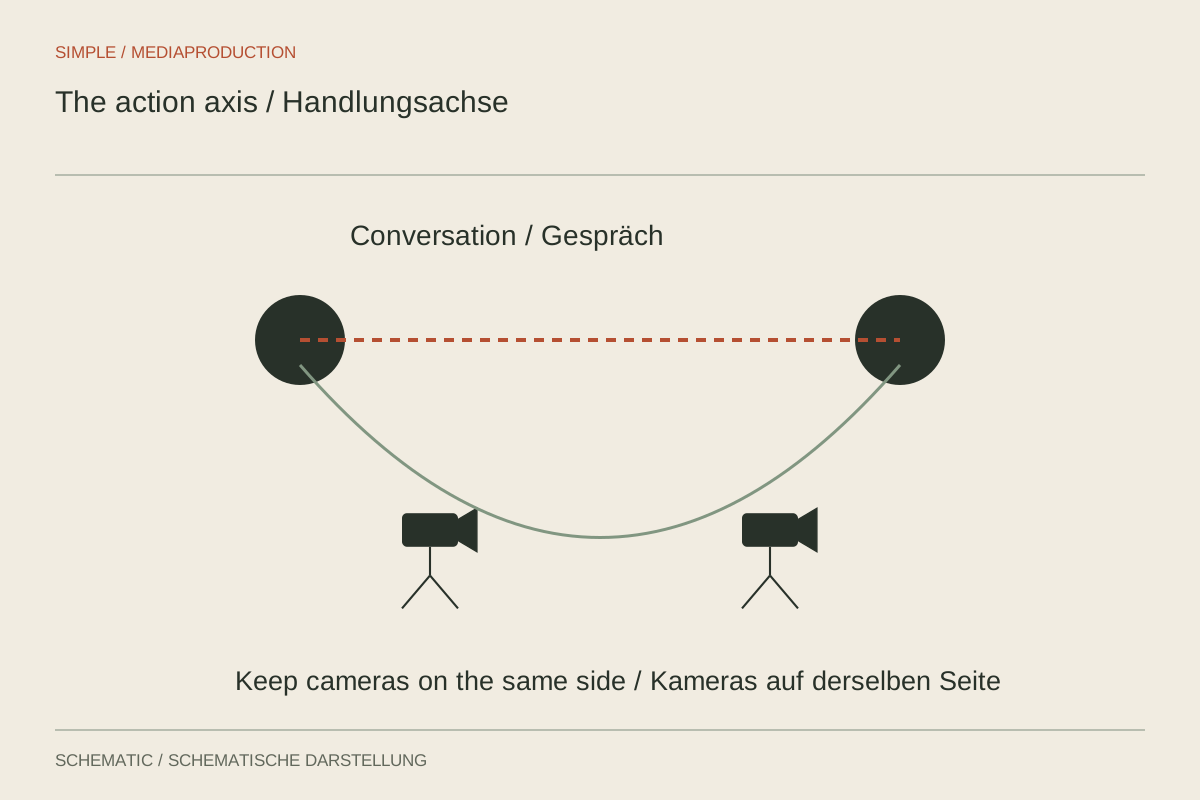
In a two-camera interview, a cut should change perspective without apparently reversing the seating arrangement. An imaginary line between the participants provides a reference: the action axis. Keeping cameras on the same side generally makes their eyelines easier to connect. The convention helps orientation; it is not a ban on designing a scene differently when there is a clear reason.
Sketch the setup from above
Draw the guest and interviewer positions and the line connecting them. Add cameras before placing tripods and lights. One camera can provide a wider view and another a tighter image without crossing the axis. Also check that the cameras have enough separation and will not appear in each other's frames during the conversation.
Even when only the guest is visible, their relationship to the questioner still matters. Placing the second camera on the other side can make the guest suddenly look in the opposite direction after a cut. Viewers may read two separate conversations even though both views were recorded simultaneously. A simpler camera arrangement can avoid this unnecessary confusion.
Try the cut before the long recording
Record a short answer with both cameras and switch between their views in a trial. Check more than left and right: compare eyeline height, head size and background. Almost identical compositions can produce an awkward jump despite remaining on the correct side. A clearly different shot size often makes the change easier to understand and gives the second camera a more distinct role.
The interviewer should not quietly move their position during the conversation. Standing beside another camera changes the guest's visual relationship. Explain the selected position and allow comfortable movement without constantly relocating the reference point. A comfortably seated interviewer can maintain that position more easily than someone squeezed into a passageway throughout a long session.
Establish a new axis deliberately
The axis can change when the situation changes. A visible relocation, shared wide shot or intelligible camera movement can explain the new arrangement. A straightforward interview often needs no such change. Avoid crossing merely because space is inconvenient when no suitable transition has been recorded to support the new orientation.
Save the floor sketch with the camera notes. During pickups, it helps restore eyelines and camera side rather than relying on memory. The axis convention then becomes a working aid for an understandable conversation, not an abstract instruction imposed on every scene without checking what the audience actually needs to follow.