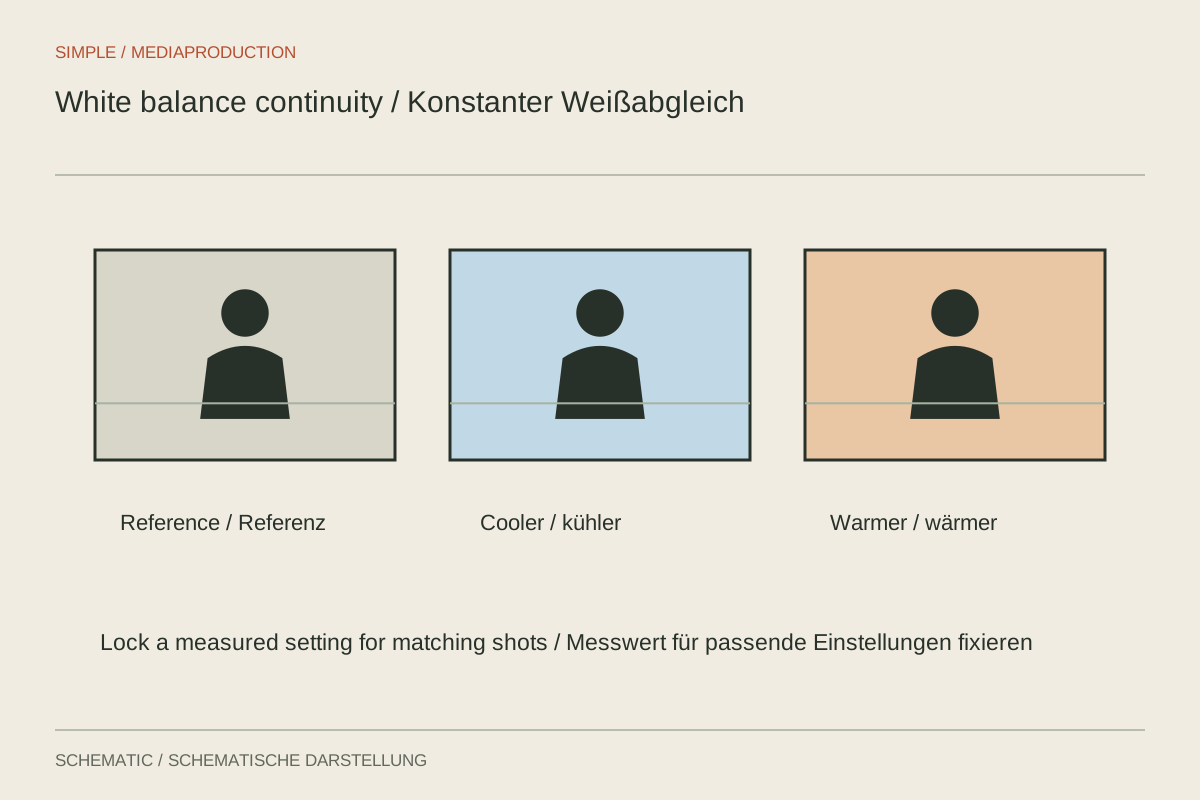
A white wall looks neutral in one take and bluish in the next although nobody changed the lights. Automatic white balance may respond to a new composition or a coloured object entering the frame. A fixed setting is therefore often useful for connected shots. It does not remove troublesome mixed lighting, but prevents the camera from interpreting that mixture differently in every recording.
Measure at the subject, not beside the camera
Place a suitable neutral reference in the light falling on the person or product. A card beside the camera may receive different illumination and provide the wrong basis. Avoid strong reflections and overexposure on the reference. Perform the custom measurement according to the device instructions, then inspect the actual subject rather than assuming the measurement must be ideal.
An apparently white object is not automatically neutral. Paper, fabric or painted surfaces can have their own tint. A purpose-made neutral card is more reliable. Keep a short recording of the reference when several cameras or setups will need matching later. It provides evidence for correction, not a guarantee that every colour will become identical across different devices.
Do not treat mixed lighting as one slider
Warm ceiling light on one side of a face and cooler window light on the other cannot both be neutralised independently by a global white-balance adjustment. First decide which source should define the subject. Turning off a lamp, changing position or shaping the light may work better than an extreme colour-temperature setting that merely moves the problem elsewhere.
A Kelvin value also does not describe every colour deviation. Some sources show a green or magenta cast requiring an additional adjustment. Matching numbers on two different cameras therefore do not guarantee matching results. Compare skin, neutral surfaces and important product colours in recorded files, rather than judging only the values shown in their menus.
Reconsider when the scene changes
Keep the fixed value within an unchanged lighting situation. If filming moves from a window position to a differently lit room, measure again. A lock is useful only for the conditions in which it was established. Note the value or saved reference slot alongside the setup information so it can be restored deliberately.
Before the next take, check that a mode change has not reactivated automatic white balance. Prepared camera presets may store still and movie settings separately. A quick inspection prevents a whole section being recorded with unnecessary colour drift, while leaving genuine changes in the scene's lighting visible for a deliberate decision.