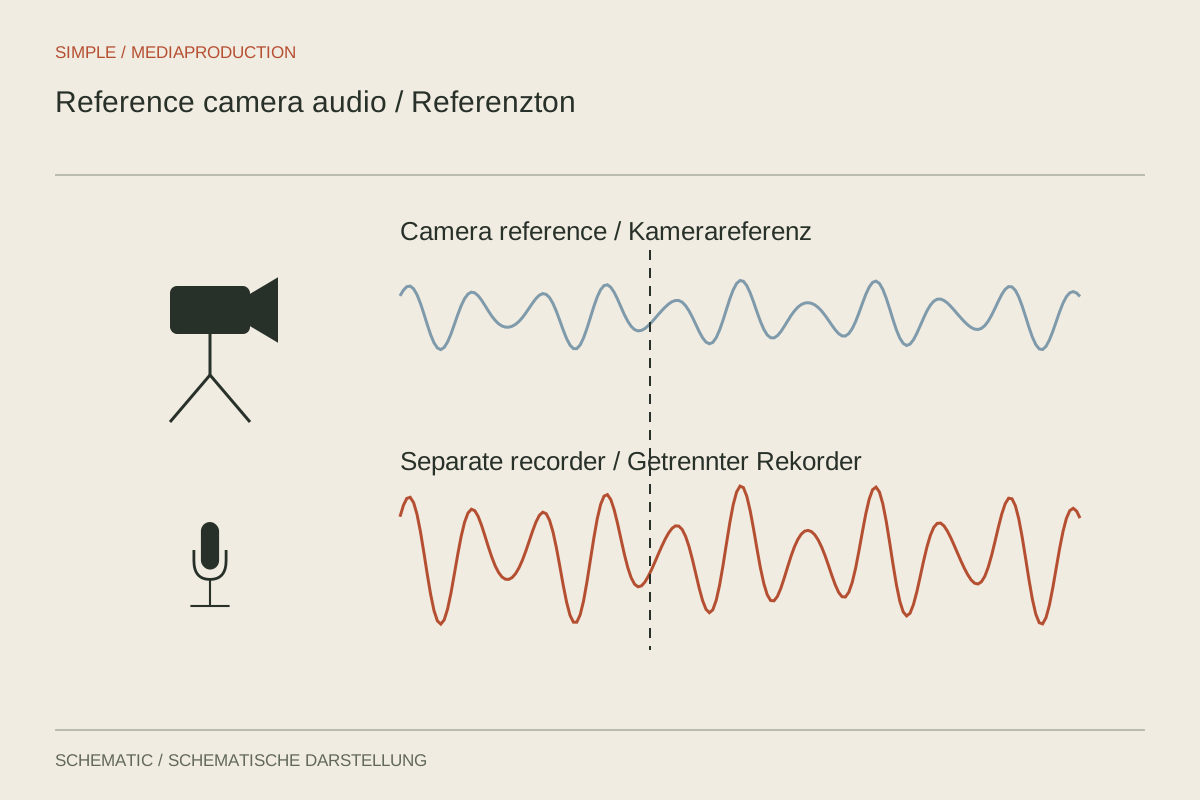
When the main sound is recorded separately, the camera track can provide a timing reference. It need not sound like the final mix, but should clearly contain speech or a shared event. A silent camera removes that option from the edit. Check camera audio deliberately even when a better microphone is already recording elsewhere.
Make the shared event audible
Configure the internal or connected camera microphone to capture the actual scene. Excessive distance, loud ventilation or an obstructed inlet can make the reference unusable. Record a short sentence simultaneously on the main recorder and inspect both files. Automatic waveform matching needs enough common information and may fail with weak or substantially different signals.
A visible and audible clap near the beginning can provide another reference where appropriate. It must appear in all recordings that need it. Do not clap directly beside sensitive microphones or create unnecessarily extreme levels. Events that cannot be interrupted need another suitable reference or a timecode workflow planned beforehand rather than an intrusive synchronisation gesture.
Preserve the file relationship
Say the take or subject before recording and note the related files. Several similar answers can be difficult for an automatic search to distinguish. Clear identification reduces the risk of using an apparently matching track from another attempt. Preserve complete originals before working with excerpts so the surrounding context remains available if alignment needs checking again.
If the camera stops while the recorder continues, several picture files will correspond to one longer audio recording. Document those interruptions. Align each section using its actual content and inspect the joins. File creation times can help sorting but are not a dependable substitute for precise synchronisation, especially when device clocks were not matched.
Compare the beginning and ending
After alignment, check clear mouth movements or other visible sound events. Do not inspect only the start. Independent devices can drift over a longer duration, and a correct first marker does not prevent that. Increasing offset needs investigation of timing behaviour rather than another arbitrary shift that fixes one end while worsening the other.
For the final mix, normally disable the reference track when it is not needed. Two slightly offset versions of the same speech can sound hollow or echoing. Keep the reference identifiable in the project, however. It remains useful during later revisions without accidentally becoming part of the delivered soundtrack or being mistaken for the main recording.