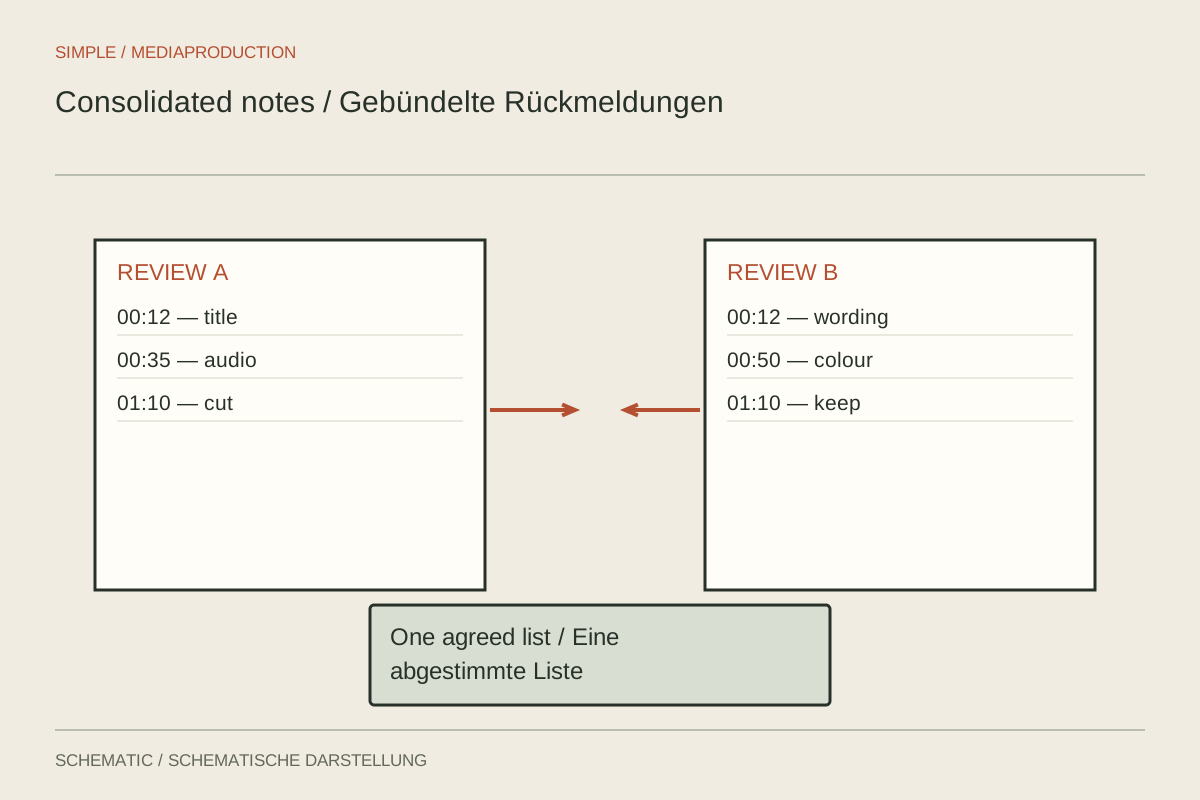
Three reviewers respond to a film: one wants it shorter, another requests more examples, and a third asks for slower captions. These requests cannot simply be handled independently. A shared feedback list reveals which changes fit together and which require a decision first.
Tie every comment to a version
Collect the version number, time position and reviewer beside each comment. Preserve the original wording, then add a short description of the possible edit. This distinguishes what was actually requested from your interpretation. Several comments about the same moment can remain beside one another.
Check whether someone accidentally watched an older version. Time positions move after cuts, so a note at 00:40 may refer to different content. Transfer that feedback deliberately and record the relationship rather than placing it into the current timeline solely by its timestamp.
Separate observations from proposed solutions
“The explanation is difficult to follow” describes a problem. “Remove three seconds here” already proposes a solution. Ask which part remains unclear where necessary. Perhaps a preparatory shot is missing, while shortening the passage would make comprehension worse. A specific suggestion helps, but need not be the only answer.
Distinguish factual corrections, such as incorrect names, from matters of preference. Resolve contradictory requests before rebuilding the edit. Establish who makes the final decision rather than producing opposing versions in succession. This saves time and preserves a comprehensible record of decisions.
Make implementation traceable
Use clear statuses such as open, clarification needed, implemented or deliberately not adopted. Add a brief explanation where a request is declined or addressed differently. A comment should not disappear merely because it is inconvenient. Equally, every comment need not automatically trigger a change.
Create a new version number after a substantial round and check the affected transitions. Removing a scene can change music, captions, graphics and later time references. Verification therefore needs to extend beyond the marked point. Play at least the surrounding context before and after it.
Send a concise overview of major changes and unresolved questions with the next review copy. Avoid reopening settled fundamental decisions without a reason in every round. If new objectives are introduced, state the changed scope explicitly so expectations and the actual work become aligned again.