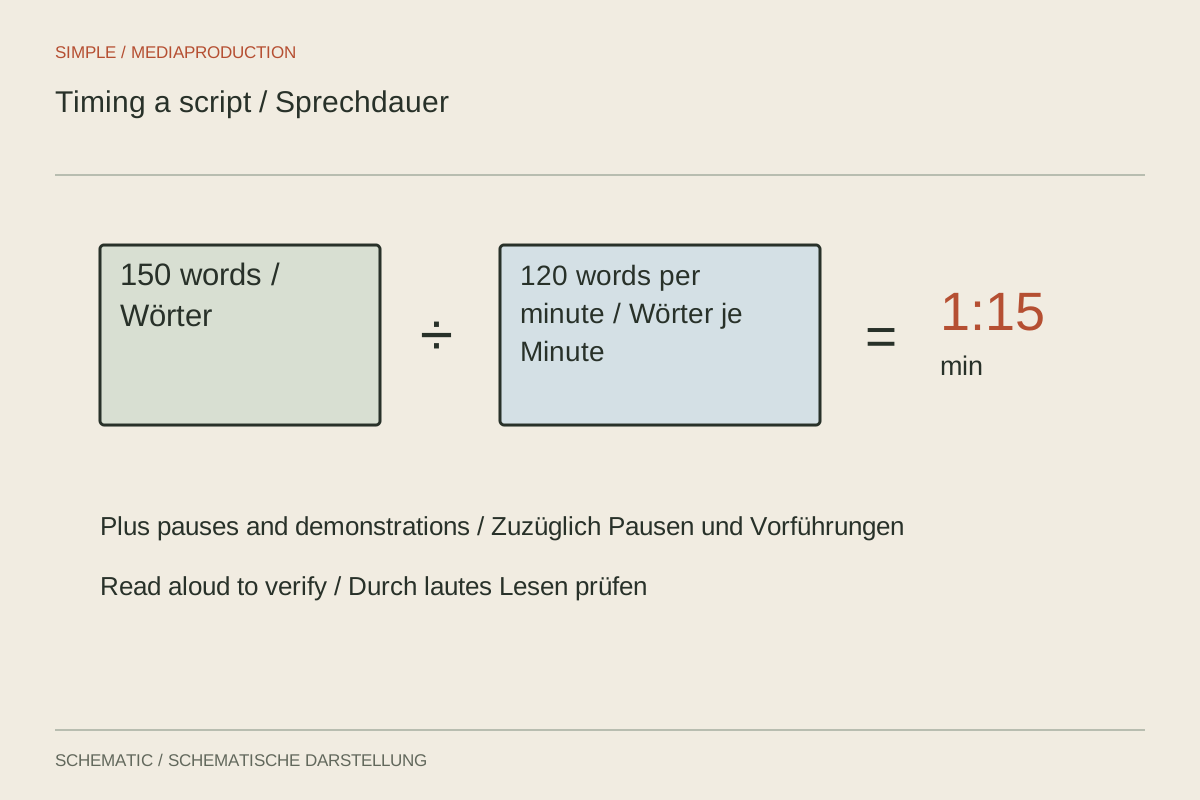
A fixed words-per-minute figure can provide an initial estimate, but it cannot replace a read-through. A script containing numbers, names and operating steps is delivered differently from a relaxed introduction. Pictures also consume time when nobody speaks. Estimate speech first, then account for moments when viewers need to recognise something or follow an action.
Measure the actual delivery
Choose a representative passage, read it in the intended posture and time it. Delivering 120 words in 60 seconds gives a measured pace of 120 words per minute. At that pace, 240 similar words would require roughly two minutes of speech. This calculation is an extrapolation, not a guaranteed running time for the finished film.
Do not measure only the smoothest paragraph. If the film includes technical language, include that in the sample. An inexperienced speaker should also be allowed to find a comfortable pace. A script read rapidly by someone else can substantially underestimate the eventual duration. Where possible, record the person who will actually deliver the lines on camera or in voiceover.
Do not add every pause again
A naturally delivered sample already includes breathing and sentence pauses. Do not add a blanket allowance for those a second time. Extra time is needed for events absent from the sample: opening packaging, studying a diagram silently or moving between places. Mark these moments directly in the working script so their purpose remains clear.
When speech and action overlap, do not count their full durations twice. An eight-second action beneath a six-second sentence needs at least those eight seconds, plus useful transitions. If the speaker explains only afterwards, both sections need their own consecutive time. This distinction explains many optimistic estimates that consider words without deciding how the pictures accompany them.
Resolve a specific overrun
Suppose the intended piece is ninety seconds long. Measured speech already takes eighty seconds, while an essential setup demonstration needs twenty seconds without narration. The content does not yet fit. Remove a secondary point, simplify the explanation or extend the agreed version. Do not merely accelerate every sentence if that makes important steps difficult to follow or leaves no time to inspect the result.
Check the estimate against pictures
Put the rough recording on a timeline and add simple picture cards. Missing transitions and inadequate viewing time become visible. The final duration is established only when speech, images and pauses work together. Keep the measured version as a reference, so later changes to the wording do not quietly shift the entire production plan without anyone noticing.