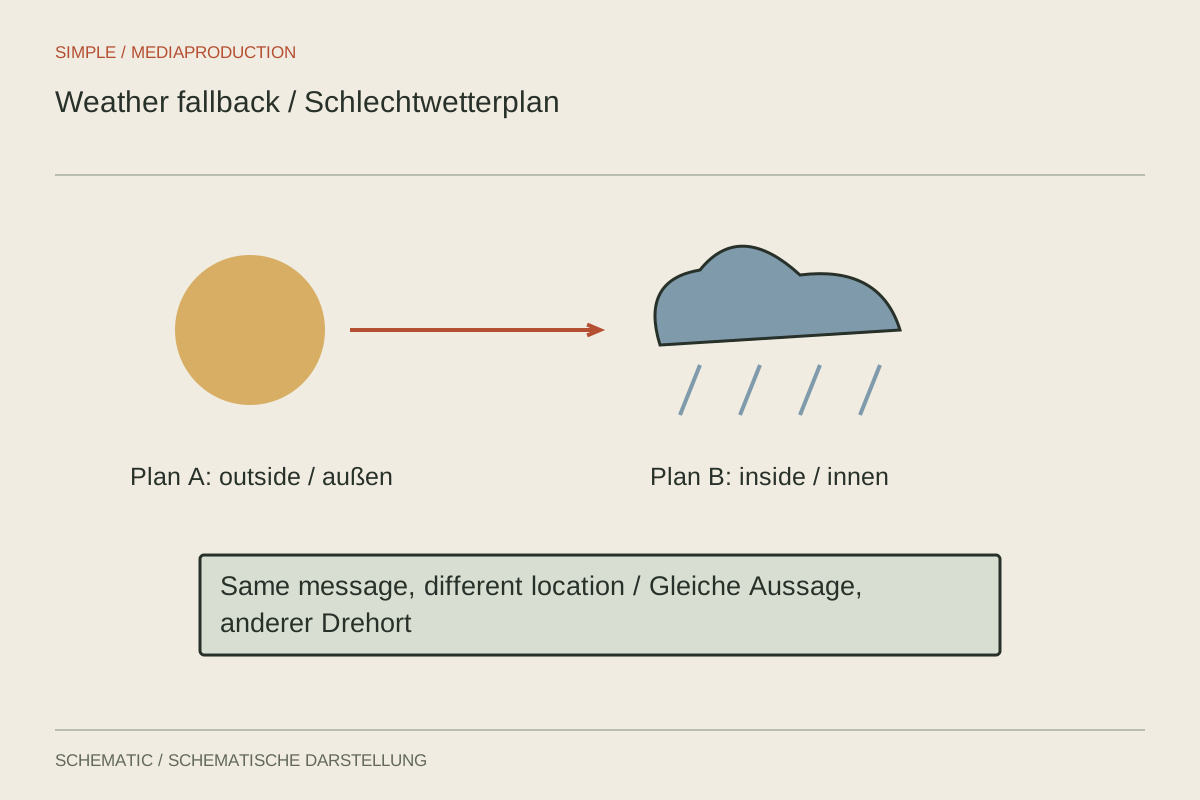
An outdoor shoot depends on more than rain. Wind can make dialogue unusable, moving clouds change exposure, and direct sun may force a speaker to squint. A weather plan should therefore consider several specific recording conditions. “We will go indoors if it is bad” is insufficient when the alternative has not been checked for space or intelligible sound.
Name the scene's dependencies
For each essential shot, ask what it actually requires. An exterior view may work under cloud, while a long spoken passage in strong wind may not. A planned shadow pattern might disappear without losing the action. Separate visual preferences from conditions without which the film cannot communicate its purpose.
Check the forecast close to the appointment and observe conditions on location. A predicted window is not a guarantee. Decide who communicates changes and when the meeting point or postponement decision will be made. Every participant needs the same information; messaging only the camera operator does not resolve the organisational consequences for everyone else travelling to the shoot.
Prepare a real alternative
A sheltered outdoor position may reduce wind but introduce other noise or an unsuitable background. Test it like the main position. An indoor space needs its own lighting and sound check. If it can show only part of the intended message, adjust the sequence beforehand and identify missing exterior coverage as a later addition rather than hoping it will not matter.
Consider which ordering remains flexible. Interior shots might be recorded first and outside views added later. This works only if clothing, visible objects and temporal relationships remain compatible. Wet ground in a wide view and dry detail shots can look inconsistent when the edit implies the same moment. Note those differences for the editor instead of leaving them to be discovered later.
Stopping is a production decision
Do not continue for one more shot during lightning, unstable footing or unsafe electrical conditions. Follow local safety requirements and equipment operating limits. An improvised cover does not automatically make an unsuitable setup weatherproof. Even apparently modest gusts can move large surfaces and stands, so visual ambition should not determine whether a setup remains in use.
Record which coverage must be rescheduled and which alternative already fulfils the agreed message. This distinguishes a deliberate stop from an unexplained half-finished film. Postponing consciously may cost less than footage that cannot be used because of poor audio, inconsistent continuity or damaged equipment, and gives everyone a clear next step.