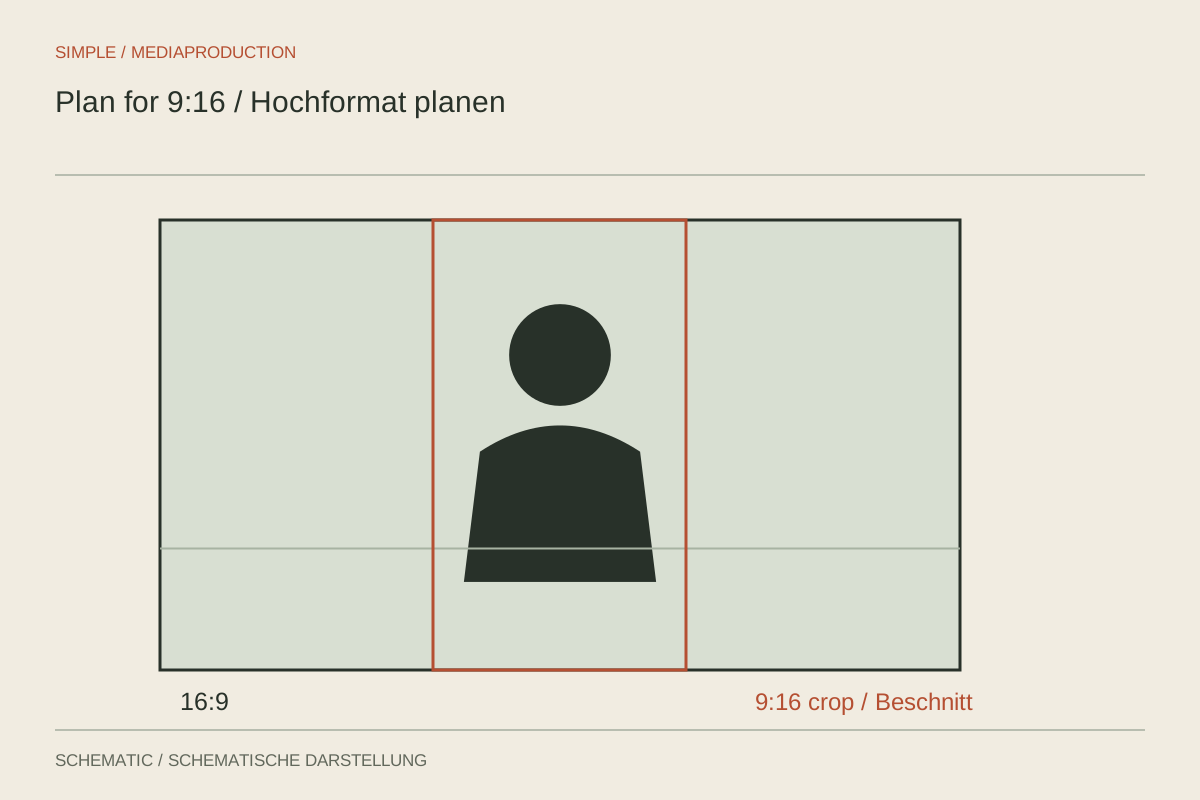
A horizontal film cannot always become a useful vertical version through a narrow crop. Two speakers may no longer fit together, while essential hands fall outside the new frame. If a vertical deliverable is needed, plan its critical shots before filming. High camera resolution creates some flexibility but cannot replace a suitable arrangement of the subjects.
Treat the narrow frame as its own space
Set the camera or a preview to the intended aspect ratio. Check a person making their real gestures rather than standing still. In a tabletop video, the face may fit while the object below becomes too small. Decide whether a separate detail will explain the action or whether the camera needs a different distance and angle.
A wider view is not automatically better. Too much distance makes small controls unreadable. Establish the most important information first and build the rest of the composition around it. For a product, a slightly offset position may let hands enter from the side instead of covering the object completely in the middle of the frame.
Plan shared and separate coverage
A centrally placed single speaker can often serve several formats when sufficient margin exists. A wide conversation or sideways movement may need its own vertical setup. Mark these differences in the shot list. Otherwise, a shoot can produce plenty of material without delivering usable coverage for every version that was promised.
When recording for a horizontal crop simultaneously, show both boundaries in the preview or on a checking monitor. The essential action needs to remain within the area usable by both versions. Background details can differ if they carry no necessary information. Check the movement all the way through: a suitable starting frame does not prove a reaching hand or moving product will stay visible later.
Leave room for interface elements and captions
Publishing interfaces may cover parts of the picture with buttons and text. Their exact arrangement varies and can change. Do not assume one universal safe margin. Check the current intended destination and avoid placing indispensable details directly against an edge. If several destinations are involved, test each relevant version rather than trusting one preview.
Watch a short recording on a phone with the planned captions applied. Hands, product and face should still work together clearly. If the text hides the critical detail, change the composition or edit rather than shrinking the lettering until it is unreadable. The vertical film then becomes an intentionally designed version instead of an accidental remainder of the horizontal image.