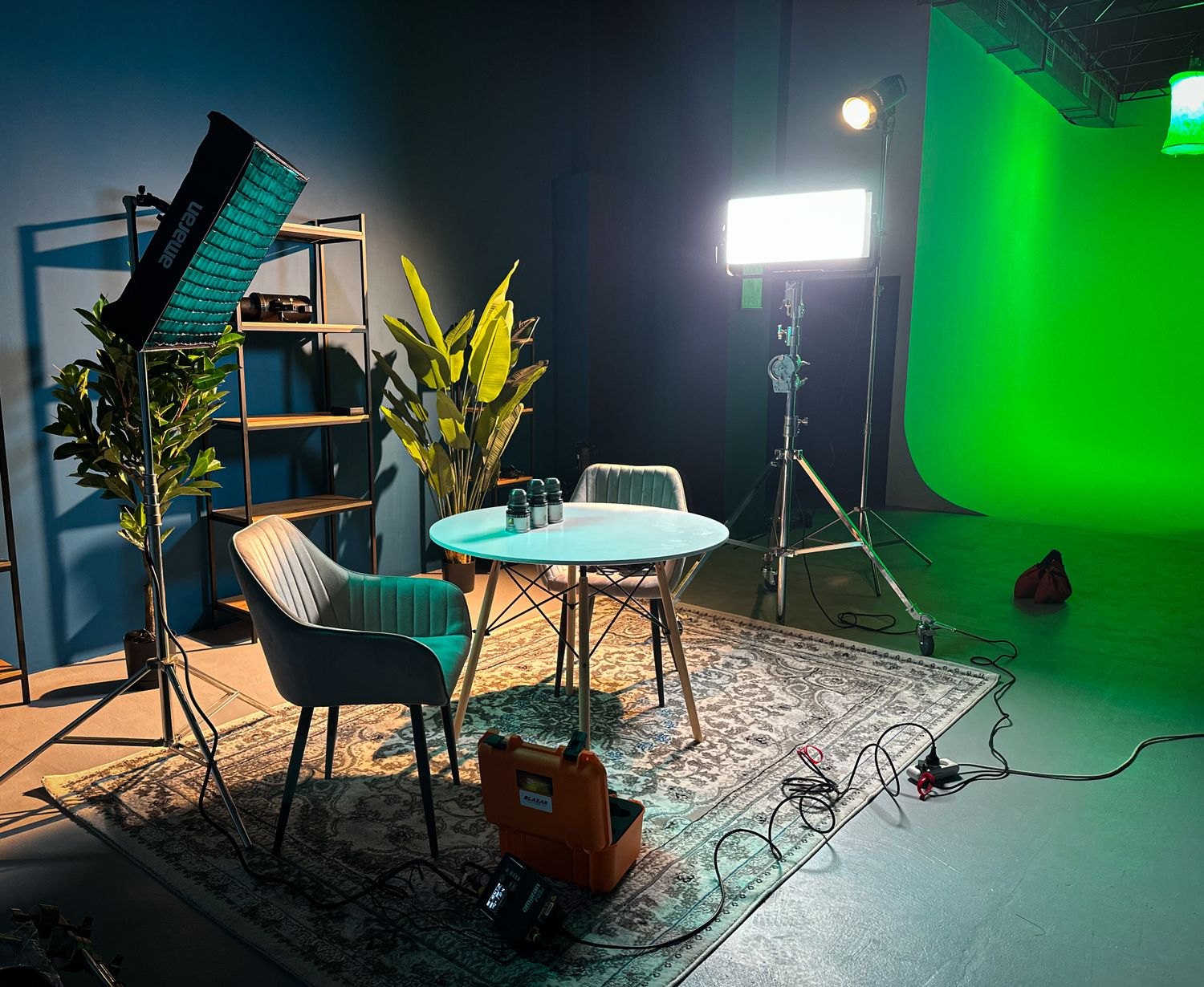
A room may look suitable on the first visit, yet ventilation starts during recording and sunlight moves across the speaker's face. A technical scout makes those dependencies visible. Take the intended recording device and a microphone where possible. Photographs alone reveal neither intermittent noise nor the conditions of a long take. Visit at approximately the planned filming time if you can.
Listen before choosing the composition
Remain quiet in the room for several minutes. Listen for lifts, refrigerators, ventilation, traffic and conversations next door. Some sources operate intermittently. Ask the responsible person what activity to expect on the filming day, and record whether each noise can actually be controlled. Equipment needed for the building's operation should not be switched off or left off without permission.
Record speech at the proposed position and listen on headphones. A room can feel pleasant in person while a microphone captures substantial reverberation. Compare two positions within the same room if necessary. A plainer background with a shorter speaker-to-microphone distance may produce the more usable recording. Record the tested distance and position so the decision can be reproduced later rather than reconstructed from memory.
Consider light throughout the session
Check whether direct sunlight enters the recording area and how it might change during the appointment. Windows may be shaded, but not always completely. Record a neutral surface and a face in the proposed lighting. A mixture of daylight and warm ceiling lights can look quite different from two camera angles, even though both are in the same room.
Test existing lamps for flicker at the intended frame rate and shutter speed. A lamp that looks steady to the eye may pulse or produce bands in a clip. Examine the recorded file, not only the live preview. If the lighting cannot be altered, the camera settings or filming position must adapt. Resolve that before the interview appointment rather than while the contributor is waiting.
Measure the space behind the camera
A wide view of the room says little about whether a camera, tripod, lights and sound operator fit. Establish the proposed framing and inspect the working space beyond it. A door may swing into a tripod; a cable may cross a frequently used route. Keep circulation clear and arrange the setup so normal access remains available throughout the session.
Confirm power connections, carrying routes, storage space and the actual access time. “The appointment starts at nine” does not automatically allow setup beforehand. Carrying equipment up several floors belongs in the schedule. Do not guess the capacity of unfamiliar electrical installations; have the responsible person confirm suitable connections. If access depends on a keyholder, record who will meet the crew and how to reach them.
Leave with evidence for the decision
Save the test clip, audio sample and a few photographs with direction and position notes. Add unresolved constraints such as “ventilation stays on” or “window shade available only until ten.” The result should be a reasoned choice of recording position, rather than a collection of attractive room photographs that do not explain the practical limitations.
Identify a second usable position in case the first becomes occupied. Check the critical conditions there as well. A backup room nobody has listened to is only an address, not yet a workable plan. Tell the crew about both options before equipment choices and arrival times are finalised, so the alternative does not require tools left behind.