After an interview, the missing pictures are often the very things the speaker described. Someone mentions a particular inspection, but the footage contains only hands at a computer. Connect B-roll planning to the expected statements before filming. The plan should remain open to discoveries while preventing the later edit from relying entirely on unrelated cover shots.
Turn statements into picture tasks
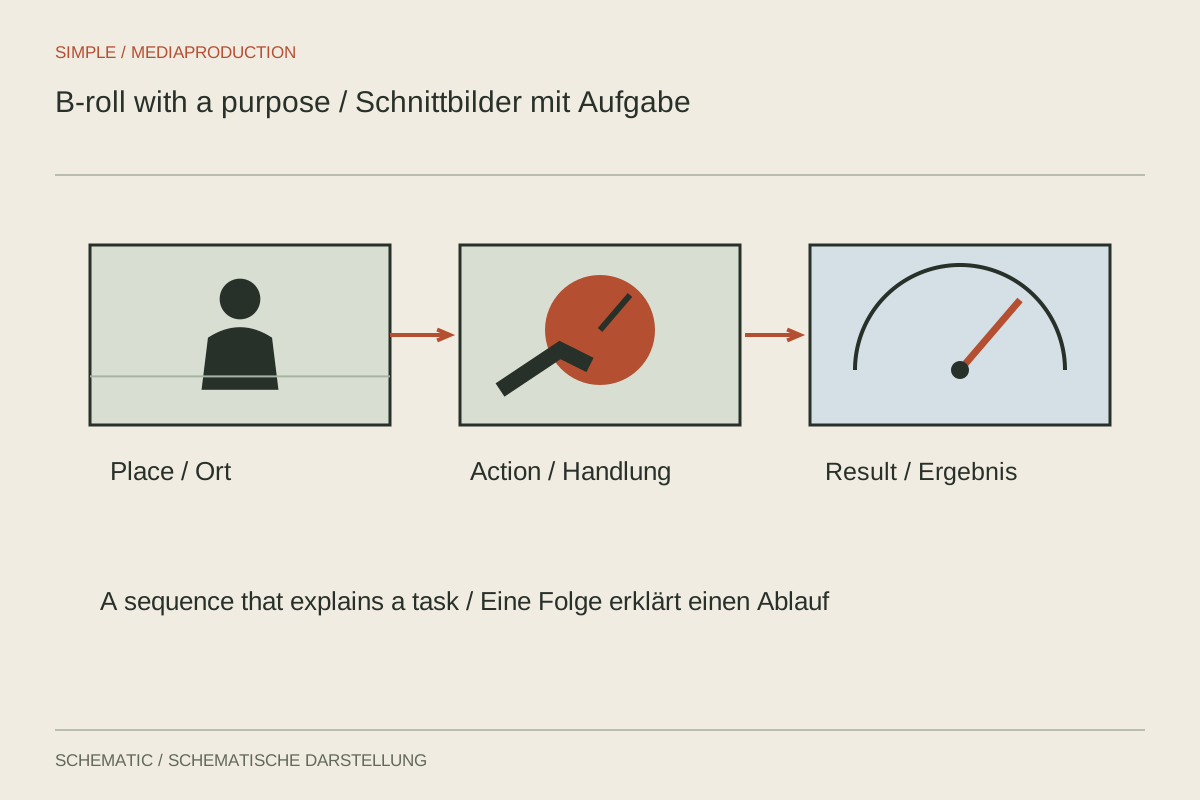
Separate supporting shots by function: explain a location, show an action, demonstrate a result or provide a transition. In a pottery workshop, an exterior can establish the place, trimming can show the work, and a finished rim can reveal the result. Three different jobs create an intelligible sequence even when all the pictures come from one workstation.
Give each important interview question a possible visual counterpart. “How do you check the surface?” might require a close view of the inspecting hand. Establish whether the action can be repeated or happens only once. An irreversible step needs suitable camera positions before it starts. A restaged inspection must not create a misleading claim about a real production procedure.
Record a small sequence
A single detail is flexible, but a connected set gives the edit more options. Record the workspace, the start of the action, its critical detail and the visible outcome. Keep eyelines, the hand being used and the object's condition consistent between views. The audience should recognise the same event as the camera moves closer, rather than wonder whether the process has restarted.
Leave some stillness before and after the action. Starting halfway through a movement and stopping immediately afterwards may remove useful transitions or space for a dissolve. The required margin depends on the action and intended edit. A slowly opening object needs different handles from a quick button press. Review the recording rather than relying on a universal number of seconds for every shot.
Fill the gaps after the conversation
Compare the actual answers with the prepared list. If the speaker mentioned an unexpected tool or an important intermediate step, arrange a specific additional shot. Note which statement it supports, so the footage is not accidentally placed beneath an unrelated claim during editing. This is particularly important when several similar processes were recorded in the same room.
Capture matching natural sound where it helps explain the action. A tool sound can connect a cut, but should not come from an entirely different operation and create a false impression. Before leaving the location, count useful relationships rather than clips: the essential statements should each have an appropriate visual counterpart available to the editor.