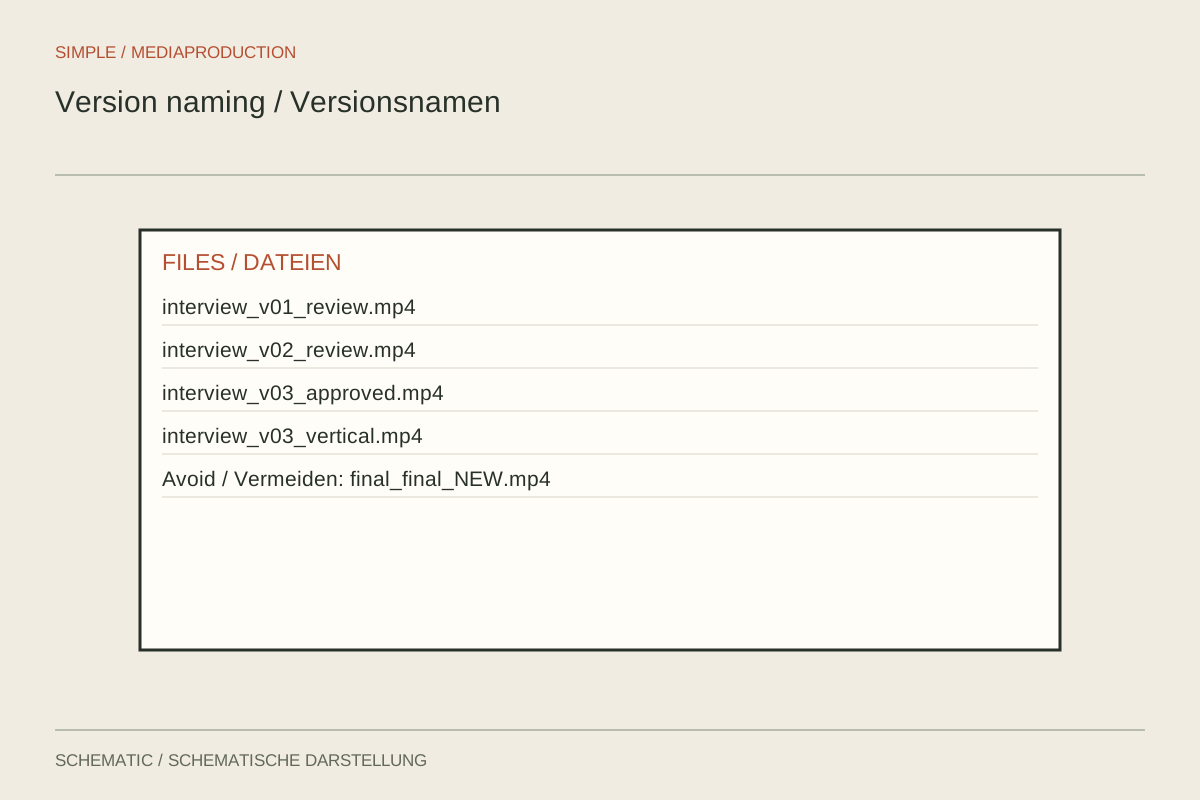
“Final_new_reallyfinal.mp4” does not establish a dependable approval state. A filename should distinguish versions, while approval itself is a documented decision tied to one specific file. Together, those practices help prevent an old review copy being published or a new change being overlooked.
Use a few consistent elements
Choose a short project identifier, language, format where relevant and a sequential version. An example is “Workshop_EN_9x16_v04_review.mp4.” This is not a mandatory scheme; what matters is that everyone uses its elements consistently instead of inventing another order.
Avoid characters that cause problems on the systems or transfer routes in use. Keep names manageable rather than writing long sentences. An optional year-month-day date can help sorting, but does not replace version numbers when several editions are produced on one day.
Distinguish content from purpose. A review copy may contain the same edit as a later delivery but include reference time or provisional elements. A clear suffix helps prevent confusion with a publication file. Do not simply remove that suffix by renaming if the contents remain provisional.
Make approval and revision traceable
Record the full filename beside an approval decision. If anything changes afterwards, create another version. Even a small text correction may require a new export and belongs in the record. Do not silently replace an approved file with different data.
Keep a short change list for significant versions. “v04: corrected product name, shortened music ending” is often sufficient. It guides review without automatically proving that every other property remains unchanged. A new export still requires appropriate technical checks.
Move older review copies into a clearly identified area rather than leaving them among current delivery files. Do not delete them casually while feedback still refers to them. At final handover, recipients should clearly recognise which file to use and which is included only as a reference.
Before sending, check the content and name together. A correct-looking identifier on the wrong language version is particularly deceptive because it creates confidence. Open the file, inspect its beginning and relevant text, and compare it with the documented version.