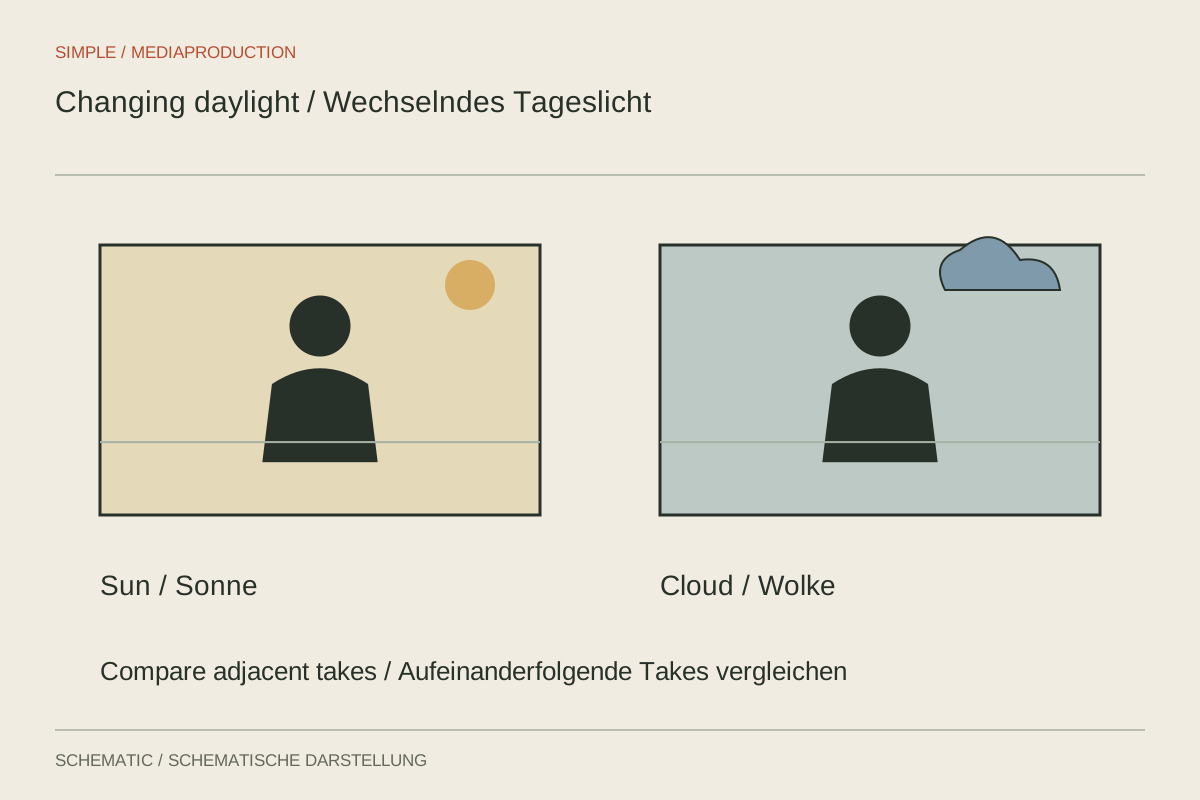
An interview beside a window begins under soft cloud cover. Ten minutes later, direct sunlight falls on one shoulder. Exposure can remain unchanged while the image looks markedly different. Distinguish between a camera adjustment and an actual change in illumination. Both may create a jump in the edit, but require different solutions.
Consider the conversation's duration
Look at the location around the intended recording time. A sunny patch on the floor reveals where direct light reaches; its position changes through the day. For a longer conversation, a window without direct sun is often easier to manage. Plan for the whole session, including repeats, rather than only its first five minutes.
A thin curtain can soften hard patches of sun, but does not eliminate every brightness change. If the window is fully blocked, an added fixture can become the main source. Check that its output and emitting area suit the composition. A small lamp does not automatically balance a large bright window.
Notice changes during a take
Lock exposure and white balance when the recording method allows it. This makes it easier to see what the light itself is changing. Observe the face and background between answers. A cloud may affect them differently, particularly when a room lamp remains on as well.
If the illumination changes noticeably during an important sentence, note the point. After a pause, consider asking for the complete thought again. Picking up individual words under different conditions may create further editing difficulties. Preserve the meaning of the speaker's statement when arranging a repeat.
Film connected shots in useful groups
Record related close-ups under a similar lighting state where possible. In a product demonstration, for example, all details of one working step could be filmed consecutively. Avoid recording every wide shot first and its details hours later when sunlight dominates the scene.
A short neutral-card reference helps assess colour and brightness afterwards. It cannot reverse a changed shadow direction, however. Include an actual facial view and the surroundings alongside the card reference. If the light varies dramatically, a more controlled position is usually more useful than hoping an automatic editing correction will repair everything.