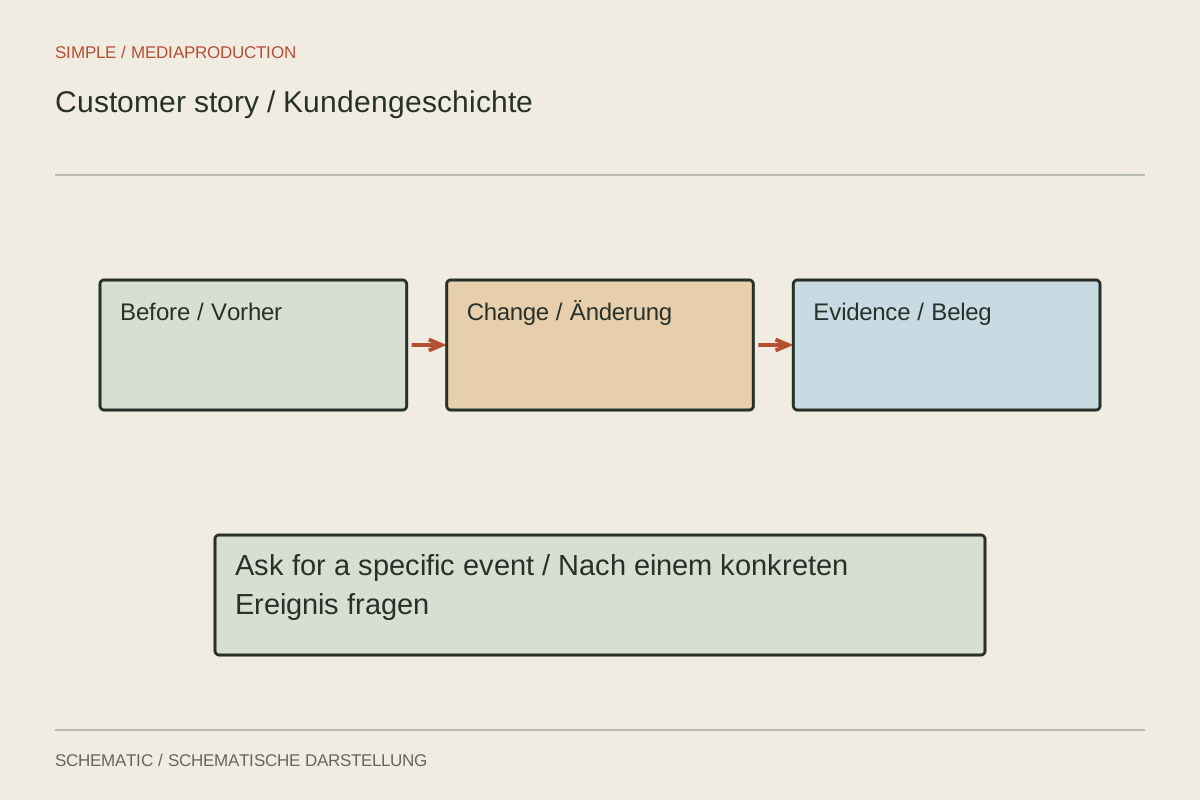
A customer story becomes understandable when it contains a specific starting situation, a decision and an observable change. General praise provides much less material for a film. Structure the interview around real events and let the person explain the experience in their own words.
Begin with the starting situation
Ask about everyday work before the decision. Which task was difficult, time-consuming or unclear? Request a particular situation rather than a broad rating. A concrete account gives viewers context for understanding the later change.
Then ask which options were considered and why the chosen solution fitted. Avoid questions containing the desired answer. “How wonderful was the introduction?” suggests a judgement. “What happened during the introduction?” leaves room for difficulties and unexpected experiences as well.
Make changes understandable
When the person describes an improvement, request an example. What do they do differently now? Which activity disappeared or became easier? Use figures only when their meaning, period and basis are clear. A personal impression can remain an impression without being artificially presented as a measurement.
Ask about conditions and limits too. Perhaps a process works only after training or for a particular use case. That information makes the story clearer. Do not remove such qualifications if doing so would turn a limited experience into a universal promise.
Film the actual context
Plan supporting shots that show the work being described. Someone performing the relevant task explains more than an arbitrary handshake. Prepare visible documents and screens for filming so confidential information is not exposed in the background.
Edit statements without changing their meaning. A clear structure can remove repetition, but should not combine separate answers into a new claim. Clarifying an unclear phrase during the interview is better than trying to replace missing context later with suggestive imagery.
Before publication, have names, roles and specific facts checked, and keep the intended use transparent. Factual checking differs from rewriting someone's experience after the event. The finished film should make clear whose perspective it presents and which situation that perspective concerns, rather than suggesting that every customer necessarily has the same outcome.